
Have you ever found yourself reaching for something — your phone, a cigarette, a snack — without remembering deciding to do it?

Buy ‘Habits & Behavioral Science’ Now
2. Habits & Behavioral Science
You are surrounded by habits. Some of them save you time and mental energy, while others have the charm and persistence of an ex who still leaves half their sweater in your apartment. This section explains what habits are, how they form, and how behavioral science can help you build good ones and break the ones that make you groan at your reflection.
What is a habit?
A habit is a learned behavior that becomes automatic through repetition and context. You do it with little conscious thought, like unlocking your phone with the thumb that knows the pattern better than you do.
Why habits matter
Habits shape most of your daily life, from brushing teeth to scrolling social media. Because they operate with low cognitive cost, they conserve your decision-making energy for novel problems, but they can also keep you stuck in routines that don’t serve your goals.
The Habit Loop: Cue, Routine, Reward
You can think of habits as short circuits your brain builds to save energy. The habit loop — cue, routine, reward — is a simple model that tells you what to look for and what to change.
Cue
A cue is a trigger that tells your brain to start the behavior. It can be external (time of day, a place, a smell) or internal (boredom, stress). You are more likely to perform the habit when the cue appears, so identifying cues is the first practical step toward change.
Routine
The routine is the behavior itself — the action you do in response to the cue. It can be physical (jogging), mental (ruminating), or emotional (snapping at a co-worker). You will often perform the routine automatically, which is why routines can feel like the most stubborn part of habit change.
Reward
The reward is the benefit your brain registers after the routine, and it helps the brain remember the loop. It can be tangible (sugar), social (praise), or internal (relief from anxiety). You must understand the true reward to successfully replace a habit, because a change in routine must still satisfy the underlying craving.
Purchase The Habits & Behavioral Science Guide
How Habits Form: The Science of Repetition and Context
You build habits through repetition in consistent contexts. Your brain strengthens neural pathways with use, and patterns become automatic the more you act them out.
Frequency and consistency
Doing something a few times is not enough; you need regular repetition in similar situations. If you want to make a new habit stick, you should perform it often and in the same context so your brain can link the cue and routine.
Automaticity and context dependence
Habits are context-dependent: a specific time, place, or emotional state triggers the behavior. If you change the context, you often interrupt the habit. You can use this to your advantage by altering your environment to promote desired behaviors.
Behavioral Principles Useful for Habit Change
The behavioral sciences provide tools for nudging yourself toward better behaviors. These tools are based on centuries of observation and modern experiments that make intuitive sense once you see them in action.
Reinforcement and punishment
Reinforcement increases the likelihood of a behavior; punishment decreases it. Positive reinforcement adds something pleasant (a small treat after a workout); negative reinforcement removes something unpleasant (cancelling an annoying subscription after a financial check leaves you feeling relieved). Punishment can work, but it often creates avoidance rather than sustained change.
Shaping
Shaping involves reinforcing successive approximations of the desired behavior. If your goal is to run 5 kilometers, you might praise yourself for walking 10 minutes on day one, then jogging short intervals the next. You are essentially training yourself in small steps.
Priming
Priming subtly influences your behavior through exposure to related stimuli. If you want to read more, keep a book on your pillow so it primes you before bedtime. Priming works because your brain makes quick associations; you can make those associations work for you.
Nudges and defaults
Small changes in choice architecture can have large effects on behavior. Putting a bowl of fruit on your counter is a nudge toward healthier snacking. Setting default options (automatic savings, default unsubscribe) reduces the friction of making a better choice.
Commitment devices
You can bind yourself to future behavior by using commitment devices. Signing a contract, making a public pledge, or prepaying for a course makes backsliding harder and increases your likelihood of following through.
Get Your Copy Of Habits & Behavioral Science
The Neuroscience Behind Habits
Your brain is not malicious; it is efficient. The basal ganglia plays a central role in habit formation, delegating routine tasks to free up your conscious mind for deliberation.
Basal ganglia and automaticity
The basal ganglia help automate frequent behaviors so you do not have to use intensive prefrontal processing. When something becomes a habit, it moves from deliberate thinking to this subcortical system, which is great for saving energy and bad for quitting without intention.
Dopamine and reward prediction
Dopamine responds not just to rewards but to the prediction of rewards. Unexpected positive outcomes spike dopamine, and over time your brain learns to expect rewards at the cue stage. This system can make habits very sticky because the prediction itself becomes motivating.
Neuroplasticity and unlearning
Your brain can change, even when habits feel permanent. Neuroplasticity means you can weaken old pathways and strengthen new ones with repetition and context shifts. It takes time and persistent practice, but change is neurologically possible.
Practical Techniques to Form New Habits
You don’t need to be a saint to create good habits; you need a plan grounded in behavioral science and a willingness to be boring for a little while.
Tiny habits
Start with habits so small you can’t say no. Want to read more? Start with one page a night. Want to exercise? Do two squats. Small wins create momentum, and your brain registers success more often. You will often find you do more than you planned because once the muscle is used, it likes being moved.
Habit stacking
Attach a new habit to an existing one. If you already brush your teeth every morning, add five minutes of journaling immediately afterward. By piggybacking on established cues, you reduce the friction of starting something new.
Implementation intentions
Use “if-then” plans to specify when and where the habit will occur. For example: “If it is 6:30 a.m., then I will put on my running shoes and step outside.” This clarity reduces the decision-making paralysis that kills new habits.
Environment design
Change your environment to make good behaviors easier and bad behaviors harder. Remove the chips, place your phone in another room, and put a water bottle on your desk. Small context alterations can yield big behavioral shifts.
Temptation bundling
Pair something you want to do with something you need to do. Only listen to your favorite podcast while on the treadmill. You use immediate pleasures to incentivize long-term benefits.
Tracking and feedback
Keep track of your progress and give yourself feedback. A simple checklist or app can show streaks and patterns. Seeing the data often motivates continuation more reliably than vague intentions.
Strategies to Break Bad Habits
Quitting a bad habit is like convincing a loyal but annoying dog to accept a different owner; it requires patience, incentives, and often a different environment.
Identify the true reward
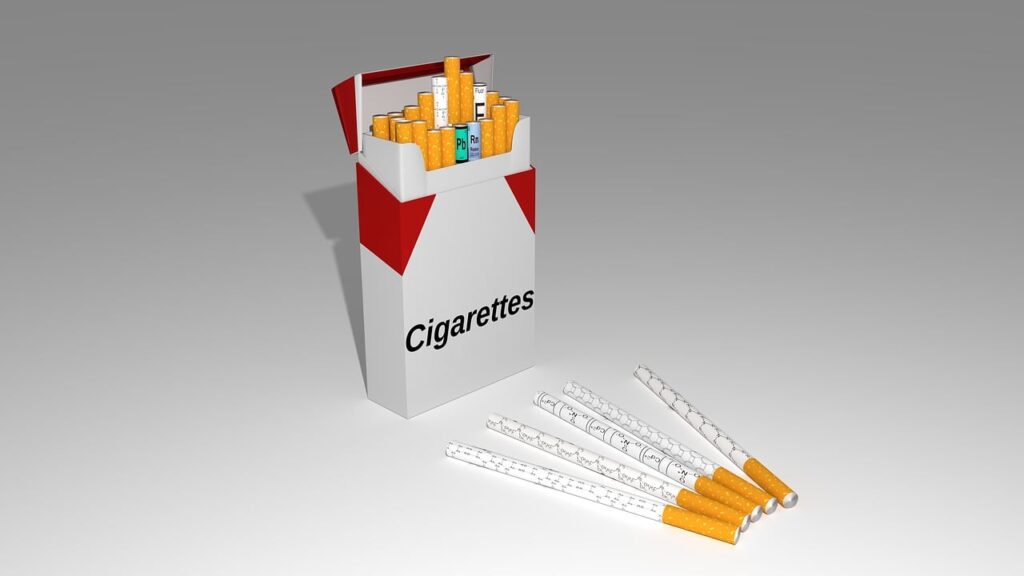
Many failed attempts to stop habits happen because you replace the routine without satisfying the underlying craving. If you smoke to relieve stress, you might replace it with deep breathing or a five-minute walk. The new routine must deliver the same reward.
Increase friction for the bad habit
Make the undesired behavior harder to do. Delete apps that waste your time, put soap on top of the cookie jar, or keep spending cards in a locked drawer. Friction buys you the moments you need to make a conscious decision.
Use delay and distraction
If you delay gratification by even a few minutes and distract yourself, many cravings pass. You can practice the “10-minute rule”: wait ten minutes before acting on the impulse, then reassess. You will be surprised how often the urge evaporates.
Replace with competing behaviors
Replace bad routines with good ones that achieve similar rewards. Instead of binge-watching as a way to unwind, try a low-effort creative activity like sketching or knitting that still engages your hands and attention but yields a different outcome.
Seek accountability and social support
Tell someone you trust about your goal and ask them to check in. Social accountability raises the cost of cheating and the reward of success. You are far less likely to blow off a plan when another person expects to hear about it.
Measuring Habits: What to Track and How
You cannot improve what you do not measure. Tracking helps you see patterns and provides evidence when you need encouragement.
Habit logs and streaks
A calendar or checklist creates visible streaks that you will want to maintain. You can use a simple habit-tracking app or a paper calendar — the medium matters less than the habit of recording.
Objective measures
When possible, use objective data: step counts for walking, time-stamped app usage for screen time, or receipts for spending. Objective measures reduce the bias of self-report, which can often be generous to the self.
Ecological momentary assessment
If you want granular data, use short surveys throughout the day to record behavior and context. This method helps you identify triggers and emotional states associated with habits. It’s a little intrusive, but effective.

Common Habit Change Scenarios and Solutions
You will face predictable problems when changing habits, but there are predictable solutions too. Below is a practical table matching common habits to tactics you can apply.
| Habit | Likely Cue | Recommended Strategy |
|---|---|---|
| Morning snooze button | Alarm + bed proximity | Move alarm across room; use implementation intention (“When alarm rings, I will stand up and open curtains”) |
| Excessive phone use | Boredom, notifications | Turn off non-essential notifications; use scheduled phone-free periods; place phone out of reach |
| Late-night snacking | Evening relaxing, TV | Keep healthy snacks in reach; brush teeth after dinner; create a new evening routine |
| Skipping exercise | Lack of time, low energy | Tiny habits (5 minutes), habit stacking, commitment devices (class prepaid) |
| Impulse spending | Retail emails, boredom | Unsubscribe, add friction (cooling-off period), use budget apps and auto-savings |
| Smoking | Stress, social cue | Identify triggers, nicotine replacement, substitute routines (deep breathing), social support |
You can adapt these pairings to your context. The key is to match the right intervention to the cue and reward.
Designing a 30-Day Habit Plan
You do best with a plan that is specific, small, and trackable. A 30-day framework gives you enough time to create momentum without feeling like a lifetime sentence.
Week 1: Prep and Tiny Starts
Set one clear, small habit. Define the cue, routine, and reward. Track daily. Use implementation intentions and remove major obstacles.
- Example: One page of reading each night after brushing teeth. You keep the book on your pillow as a cue.
Week 2: Stack and Slightly Expand
Stack the new habit onto an existing habit. Slightly increase duration if it feels easy. Introduce simple tracking and share your plan with someone.
- Example: Increase reading to 5 pages if comfortable; add a checkmark to your calendar each night.
Week 3: Add Context and Accountability
Refine your environment and add a social element. If the habit is exercise, prepay a few classes or join a small group. If it’s saving money, set up an automatic transfer.
Week 4: Consolidate and Reflect
Evaluate what worked and what didn’t. If you maintained at least 75% of days, you have momentum. Celebrate small wins and plan how to keep or adapt the habit for the next month.

Habit Maintenance and Relapse Management
Even with the best plans, you will slip. That’s normal. The difference between failure and relapse is how you respond.
Expect lapses
You will miss days. Expect it and plan for it. A lapse becomes a relapse only if you use it as an excuse to give up entirely. Try a “get back on” ritual: review why the habit matters, look at your calendar, and restart the next day.
Re-evaluate and adjust
If the habit stalls, examine the cue, routine, and reward. Maybe the reward is not compelling, or the cue is unreliable. Adjust and try again rather than abandoning the goal.
Use relapse as data
Treat lapses as experiments. Ask what happened: Was the environment different? Were you stressed? Use those insights to redesign the habit system — perhaps by increasing friction for old behaviors or changing timing.
Specific Habit Examples and Scripts You Can Use
You will want actionable language. Below are templates and scripts you can use as-is or tweak.
Implementation intention template
- “If [cue], then I will [routine].”
- Example: “If it is 9:00 p.m., then I will put my phone in the kitchen and read one chapter.”
Habit stacking template
- “After [current habit], I will [new habit].”
- Example: “After I pour my morning coffee, I will write one sentence in my journal.”
Temptation bundling example
- “Only allow [pleasure X] while doing [benefit Y].”
- Example: “Only listen to my favorite true-crime podcast while on the treadmill.”
Accountability message example
- “I plan to [specific behavior] at [time/place] for [duration]. Please check in on day [X].”
- Example: “I will run for 20 minutes at 6:30 a.m. on weekdays for two weeks. Can you text me on day 7 to see how it’s going?”
Common Pitfalls and How to Avoid Them
You will encounter friction, boredom, and life interruptions. Here are common traps and clever ways to avoid them.
Too much, too fast
Ambition often kills change. Start small. You will get more done by doing less in a more consistent way.
Relying on willpower
Willpower is finite and overrated. Design your environment so you don’t have to rely on heroic restraint. Make the desired behavior the easy path.
Setting vague goals
“Get in shape” is a polite intention that never graduates to action. Use specific, measurable choices like “walk 20 minutes after lunch every weekday.”
Ignoring context changes
Life changes — travel, holidays, stress. Plan for them. Have simple, portable versions of your habit you can do anywhere.
The Social Side: How Others Shape Your Habits
You are not an island; your friends, family, and coworkers shape your cues and rewards. Use that.
Social proof and peer influence
You are more likely to adopt habits that others around you do. Join groups or communities that model behaviors you want. You will unconsciously absorb norms and find it easier to conform to new patterns.
Public commitments
Make a public commitment to increase social pressure to follow through. Post updates or tell a group; public expectations make backsliding costlier.
Designing supportive relationships
Ask friends or family to help with specific behaviors: remind you, celebrate wins, or hold you accountable. Choose people who will support rather than judge.
Ethical Considerations and Respecting Autonomy
When you change your own habits or design systems for others, ethics matter. You should always aim to increase autonomy, not manipulate.
Avoid coercive tactics
Commitment devices and nudges are useful for you, but using them on others without consent can be coercive. Respect personal agency and discuss behavior-change tools openly when helping someone else.
Focus on long-term well-being
Short-term manipulation for compliance is ethically fraught. Align habit changes with health, dignity, and long-term flourishing rather than transient gains.
Habit Resources and Further Reading
You will want references and tools. Behavioral science is rich with experiments, practical methods, and accessible books. Seek reputable books, peer-reviewed studies, and practical apps that match your values.
Recommended starting points
- Look for books and articles that combine research with anecdotes and practical tips. Choose sources that provide clear frameworks and evidence for strategies like implementation intentions, habit stacking, and commitment devices.
Tools and apps
- Habit trackers, calendar systems, and minimal-distraction apps can help, but choose tools that reduce friction rather than add busywork. A simple paper calendar often provides the most straightforward feedback.
Final Thoughts: You’re the Architect of Your Routine
You are not powerless against habit. You are a builder with access to simple, evidence-based tools that will help you design the life you want. Habits will not turn you into someone else overnight, but with small, repeatable acts and a willingness to be boring for a while, you will shift what happens automatically in your life.
You should treat habit change like a long, affectionate negotiation with parts of your brain that love ease. Start small, respect the context in which behaviors arise, and use the behavioral tools described here to make good choices easier and bad ones harder. If nothing else, you will acquire the comforting knowledge that most people are exactly as flawed and persistent as you are — and that’s precisely the point at which meaningful change becomes both possible and oddly entertaining.