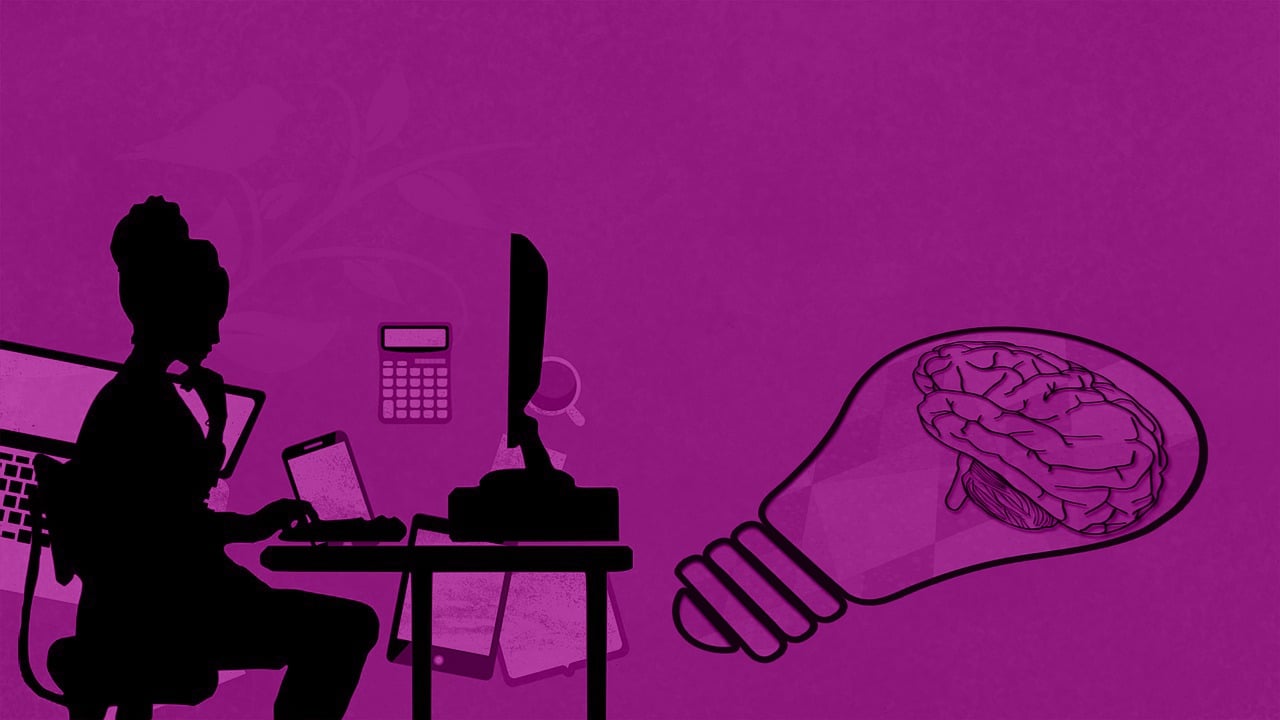
Have you ever tried answering emails while on a conference call and wondered whether you were genuinely multitasking or just fooling yourself?
Buy ‘Is Multitasking A Myth Or A Skill?’
25. Is Multitasking A Myth Or A Skill?
You probably ask this question because you want to be more productive and efficient in your day. In this article, you’ll get a clear, evidence-informed look at what multitasking really is, when it works, and how you can manage multiple demands without sacrificing quality or your mental energy.
What Is Multitasking?
Multitasking is commonly described as doing more than one task at the same time. You should know that what people call multitasking often involves rapidly switching attention between tasks rather than performing them simultaneously.
Multitasking vs. Task Switching
You need to distinguish between true parallel processing and task switching because they have very different cognitive costs. Task switching means your brain alternates focus, which creates inefficiencies and errors, whereas true parallel processing involves tasks that use different cognitive systems and can be handled together.
| Term | What it looks like | Cognitive implication |
|---|---|---|
| True multitasking (parallel) | Listening to music while folding laundry | Low interference if tasks use different resources |
| Task switching | Replying to messages during a meeting | High switching cost, more mistakes |
| Automatic processing | Walking while talking | Minimal conscious effort, low cognitive load |
Types of Multitasking
There are several ways you might try to multitask, and each has different outcomes. You’ll find that automatic or well-practiced actions combine best with light cognitive tasks, while two demanding tasks rarely pair well.
What Does Science Say?
Research in cognitive psychology and neuroscience shows that human attention has limits. You should understand that those limits shape whether multitasking helps or hurts your performance.
Attention and Working Memory
Your attention and working memory are finite resources that get stretched when you handle multiple tasks at once. When you force your attention to split, you typically reduce the accuracy and depth with which you perform each task.
The Neuroscience of Multitasking
Brain imaging studies reveal that certain regions light up when you switch between tasks, indicating extra processing work. You should be aware that switching uses frontal lobe resources involved in planning and control, which leads to slower and less precise performance.
Task Switching Costs
Every time you switch, you pay a mental penalty: more time, more errors, and more fatigue. You’ll see the cost in measurable delays (often called switch costs) and reduced overall efficiency.
| Consequence | What you might notice |
|---|---|
| Time loss | Tasks take longer than if you focused on each one |
| Increased errors | More typos, missed points, or wrong decisions |
| Mental fatigue | You feel drained sooner during the day |
| Reduced creativity | Less capacity for deep thinking and problem solving |
Is True Multitasking Possible?
Yes, but only in limited circumstances where tasks do not compete for the same cognitive resources. You should be cautious about generalizing true multitasking to all situations.
Examples Where True Multitasking Occurs
You can multitask when one or both activities are automatic or low-attention, such as walking while chatting or folding clothes while listening to an audiobook. In these scenarios, your brain handles one task with minimal conscious control, leaving you free to focus on the other.
When You’re Just Switching Tasks
If both tasks demand attention — for example, driving in traffic while composing a complex email — you’re actually switching rapidly between tasks and significantly increasing risk. You should never assume safety or efficiency when both activities require problem-solving or high concentration.
Are Some People Better at Multitasking?
You might wonder if some people have a natural ability to multitask; the answer is nuanced. Individual differences exist, but they’re mainly about how well someone handles interruptions, not about being able to truly perform multiple demanding tasks simultaneously.
Role of Expertise and Practice
You can improve your ability to combine certain tasks through practice and automaticity. If you spend thousands of hours practicing a skill, parts of it can become automatic, which makes combining it with another activity easier.
Individual Differences: Age, Personality, and Cognitive Abilities
Age, working memory capacity, and certain personality traits influence how you cope with multiple demands. Younger adults often show better cognitive flexibility, but experience and strategy can let older adults perform very well in real-world multitasking scenarios.
Productivity and Multitasking
You probably try multitasking to get more done, but it often backfires. The evidence suggests that task switching usually reduces net productivity and quality of work.
Impact on Work Quality and Time
When you juggle tasks, you’ll likely complete more items superficially, but the depth, accuracy, and creative quality of your work will suffer. You should measure productivity not only by quantity but by the quality and long-term consequences of your actions.
Multitasking and Stress
Constantly juggling tasks raises stress levels and reduces resilience over time. If you make task-switching a habit, you’ll likely notice a persistent sense of cognitive overload and increased burnout risk.

Multitasking in the Digital Age
Modern technology encourages frequent interruptions, which pushes you toward chronic multitasking behaviors. You need to be intentional about how you use digital tools because they both enable and fragment your attention.
Tech, Notifications, and Continuous Partial Attention
Notifications lure you into checking screens repeatedly, which creates a pattern of continuous partial attention. You’ll find it hard to reach deep concentration because your apps and devices repeatedly demand short bursts of your attention.
Strategies Tech Companies Use
Designers use alerts, badges, and variable rewards to keep you engaged and interruptible. Understanding these mechanisms helps you resist them by changing your settings or habits to protect focused work time.
Training and Improving Your Multitasking
You might hope to train yourself to become a super-multitasker, and while you can improve how you manage multiple demands, you can’t fundamentally change the brain’s capacity limits. Instead, you can train strategies that make certain multitasking combinations safer and more efficient.
Can You Train It?
Practice can push tasks into automatic processing, which reduces interference. You should focus on deliberate practice for skills you want to automate rather than trying to practice juggling unrelated high-attention tasks at once.
Effective Practices That Help You Manage Multiple Demands
You can use techniques like task batching, environment control, and habit formation to make your workload more manageable. These practices reduce the need for frequent switching and improve your sustained focus when it matters.

When to Multitask: A Practical Guide
You need clear rules about when multitasking makes sense and when it doesn’t. Use the following guidelines to decide which approach suits each situation.
| Situation | Recommended approach | Why |
|---|---|---|
| Repetitive, low-attention tasks (e.g., folding clothes) + light cognitive tasks (e.g., listening to a podcast) | Multitask | Low interference, efficient use of time |
| Two high-attention tasks (e.g., writing code + participating in a strategy meeting) | Focus on one at a time | High switch cost, poor results if combined |
| Safety-critical tasks (e.g., driving) + distraction | Single-task | Risk increases dramatically with distractions |
| Context-dependent tasks (e.g., cooking while supervising kids) | Structured multitasking with checkpoints | Requires planning and periodic refocusing |
Practical Tips to Manage Tasks Better
You’ll benefit from strategies that reduce unnecessary switching and improve how you handle multiple demands. These tips are actionable and can be implemented immediately.
Prioritize Ruthlessly
Decide what truly matters for the day and allocate your best attention to those items first. When you prioritize, you reduce the temptation to multitask on low-value activities.
Use Time Blocking
Block out chunks of time dedicated to one task and protect those blocks from interruptions. You’ll create pockets of deep work where significant progress gets made.
Batch Similar Tasks
Group similar activities together, like returning calls or answering email, so you process them in a single session. This minimizes context switching and increases efficiency.
Minimize Interruptions
Turn off non-essential notifications and set specific times for checking messages. You’ll cut down on the micro-disruptions that fragment your attention.
Leverage Automation and Tools
Use templates, automation, and assistants to offload repetitive aspects of tasks. You’ll free up cognitive capacity for higher-order thinking.
Create Routines and Checklists
Routines help move frequent tasks into automatic behavior, and checklists reduce the mental load of remembering steps. You’ll make fewer mistakes and handle multitasking scenarios with more confidence.
Set Clear Transition Rituals
Use a short ritual when switching tasks — a breath, a list, or a quick tidy — to reduce the cognitive cost of switching. You’ll reorient faster and waste less time on context recovery.

Multitasking in Specific Contexts
Different environments change the appropriateness of multitasking. You should adapt your strategy to fit the setting and risks involved.
Workplace Multitasking
Offices reward visible busyness, but performance is often harmed by constant switching. You should advocate for focused work blocks and clear norms about communication to protect your attention.
Driving and Safety
Driving while distracted is a clear example where multitasking is dangerous and can be deadly. You must avoid phone use and other distractions while operating a vehicle.
Parenting and Home Life
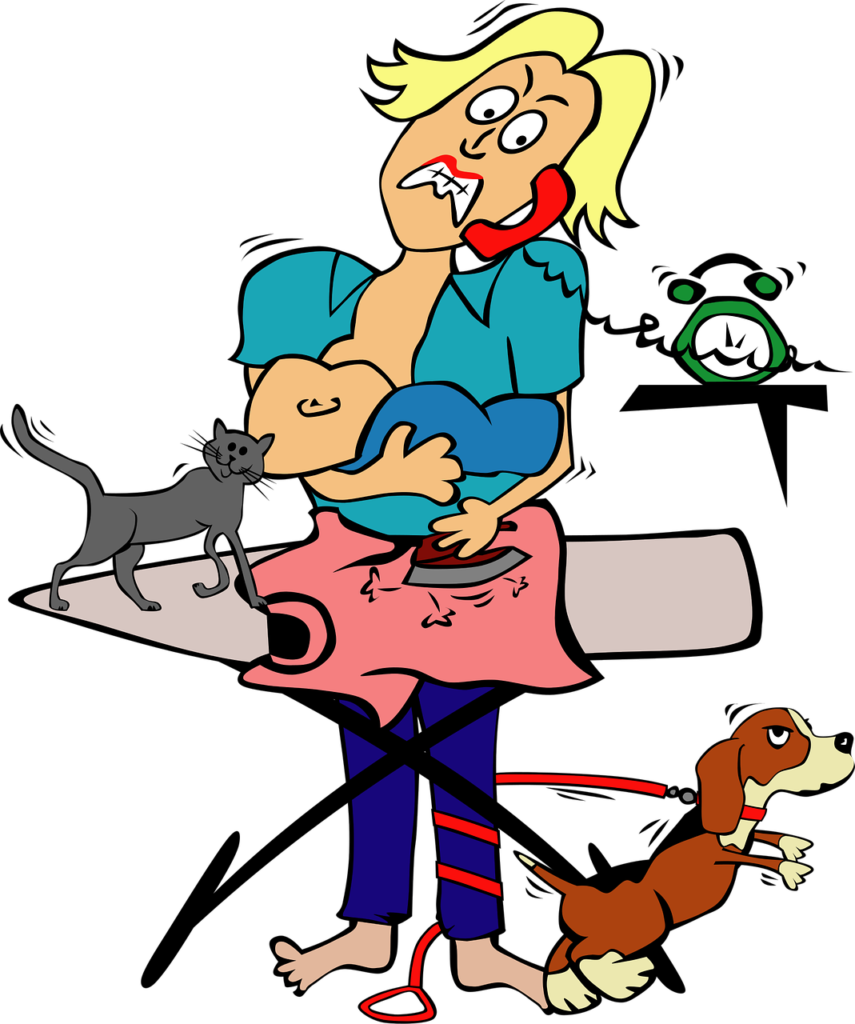
Parents frequently multitask out of necessity, but you can balance attention by scheduling dedicated one-on-one moments and combining compatible tasks. Small planning hacks can reduce stress and improve the quality of your interactions.
Learning and Study
When you study, you’ll retain more if you focus deeply on the material rather than trying to multitask. Use focused sessions and spaced repetition to enhance learning instead of splitting attention.
Costs and Benefits Summary
You probably want a quick verdict: multitasking can be useful in narrow scenarios but is overrated for complex or high-stakes tasks. You should recognize that multitasking trade-offs often favor focused single-tasking for improved quality and well-being.
| Benefit | Cost |
|---|---|
| Can save time on low-attention activities | Increased errors on demanding tasks |
| Makes routine chores feel efficient | Greater mental fatigue over time |
| Lets you feel productive by completing many small items | Reduced creativity and depth of thought |
How to Tell If You’re Multitasking Effectively
You’ll want simple indicators to judge whether your approach is working. Below are signs of effective multitasking and signs that you should change course.
- Signs you’re doing well: Tasks finish on time, quality stays high, you feel energized rather than drained, and you can recall important details without effort.
- Signs you’re struggling: Frequent mistakes, longer completion times, constant rework, fragmented memory for what you just did, and increased stress or fatigue.
Addressing Common Myths
You probably have heard a few persuasive myths about multitasking. Here’s how to correct them.
Myth: Some people are natural multitaskers
While you’ll meet people who seem to handle many things at once, they are often better at managing interruptions or have automated some tasks. You should focus on strategies that improve your performance rather than assuming innate superiority.
Myth: Multitasking always saves time
Multitasking can make you feel busy but often lengthens the total time to complete tasks due to switch costs. You’ll save time only when tasks are compatible or one of them is well-automated.
Myth: Technology makes multitasking easier
Tech can help or hurt, depending on how you use it. You should use settings and tools that reduce interruptions and support focused work rather than constantly fragmenting your attention.
Implementing a Personal Multitasking Policy
You can create a personal policy to guide when and how you multitask. Having rules reduces decision fatigue and improves consistency.
- Define high-attention windows for deep work.
- Create a list of tasks you will allow to be combined versus those you won’t.
- Set notification rules for different times of day.
- Build rituals for transitions between tasks.
These rules help you control multitasking rather than letting it control you.
Final Thoughts: Myth or Skill?
So, is multitasking a myth or a skill? It’s both: true parallel multitasking exists but is limited, and there are skills and strategies you can learn to manage multiple demands effectively. You should focus on reducing harmful switching and on training automatic aspects of important tasks to safely combine activities when appropriate.
FAQs
Can I become better at multitasking with practice?
Yes, you can get better at combining specific tasks by practicing them until parts become automatic. You should focus practice on real-world pairings you need, rather than general multitasking drills.
Is multitasking worse for creativity?
Often yes; creative work typically requires deep, sustained attention and time for incubation. You should reserve uninterrupted time for creative tasks to allow ideas to form more fully.
Are there jobs that require multitasking?
Many roles require handling multiple streams of information, like emergency services or air traffic control. You’ll find that these jobs include rigorous training and procedures designed to minimize risk and optimize performance.
How do I stop myself from checking notifications all day?
Change your environment and habits: silence nonessential alerts, schedule specific check times, and create accountability with colleagues or family. You should also use short focus sessions to prove to yourself that you can work uninterrupted.
Is multitasking linked to lower IQ or cognition?
Short-term multitasking doesn’t necessarily reduce your intelligence, but chronic multitasking habits can impair attention control and short-term memory functioning. You’ll benefit from building habits that protect and strengthen your cognitive capacity.
If you apply these insights and practical rules, you’ll be able to make better choices about when to combine tasks and when to focus, and you’ll likely get more done with better quality and less stress.