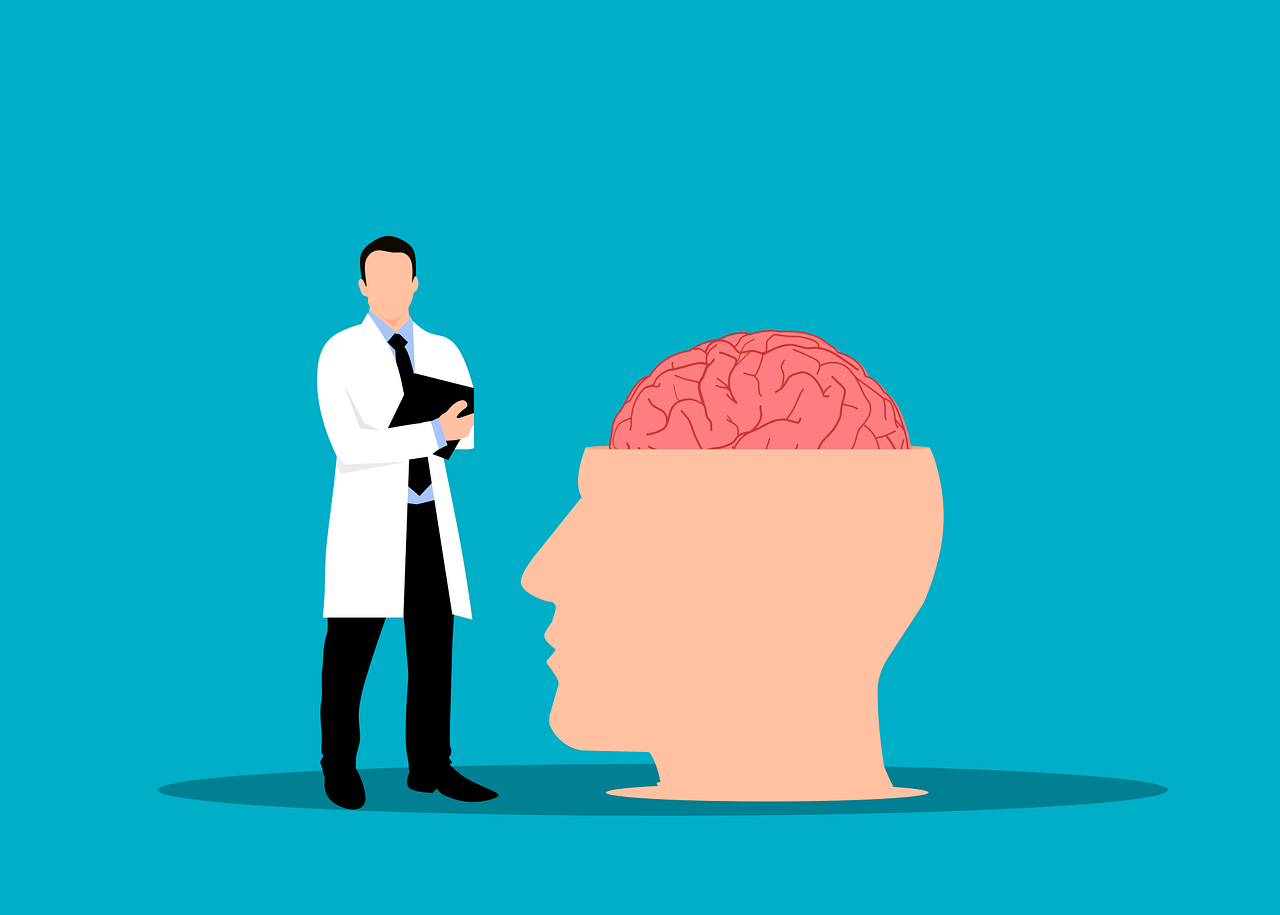
Have you ever finished a run or a brisk walk and felt like your brain had been given a small, polite shove into clarity?
Buy Fitness Gear To Support Cognitive Performance
How Does Physical Fitness Impact Cognitive Performance?
You probably suspect that moving your body helps your mind, but the relationship between physical fitness and cognitive performance is richer and stranger than a casual stroll suggests. In this article you’ll find research-backed explanations, practical recommendations, and a few wry observations to keep things human while you plan your next workout for brain power rather than vanity alone.
Why this question matters to you
You live in a world that asks a lot of your attention, memory, and decision-making. Whether you’re studying for an exam, managing a team, or trying to remember where you put your keys, small changes to physical fitness can translate into tangible improvements in cognitive function. You should care because exercise is one of the few interventions that reliably boosts both body and brain at once.
A quick roadmap of what you’ll learn
You’ll look at how acute and long-term exercise affects specific cognitive domains, examine the biological mechanisms that connect muscle to mind, compare exercise types and doses, and find practical plans you can actually use. There’s a little humor tucked in so you don’t nod off reading dense science—because sleep, as you’ll see, is part of the story too.
Definitions: fitness, cognition, and why words matter
You’ll find people use “physical fitness” to mean different things—cardiorespiratory fitness, muscular strength, flexibility, or simply being active. Cognitive performance refers to attention, memory, executive function, processing speed, and more. It helps to keep these terms clear so you can pick the right kind of movement for the brain task you want to improve.
Shop Brain-boosting Workout Equipment
The big picture: does exercise really change your brain?
Yes. There is consistent evidence that both acute bouts of exercise and regular training change brain function and structure in ways that support cognition. That doesn’t mean every workout will turn you into a savant, but small reliable improvements add up over time. You should think of exercise as a tonic for your brain: not miraculous, but reliably beneficial.
Acute vs chronic effects: different timelines, different benefits
Acute effects happen within minutes to hours after a single exercise session. You’ll often notice improved attention and mood immediately after. Chronic effects come from regular training over weeks to months, leading to structural brain changes and long-term cognitive gains. You’ll appreciate both: the immediate lift helps you get through the day, while consistent training builds resilience.
Cognitive domains affected by exercise
Different aspects of cognition respond to exercise in different ways. You’ll see the strongest and most consistent benefits in executive functions—things like planning, inhibition, and flexible thinking—followed by attention, processing speed, and memory. Language and some forms of complex reasoning can benefit too, but effects there are more variable.
How physical fitness influences the brain: biological mechanisms
There’s a whole orchestra of mechanisms connecting exercise to cognition. You’ll find changes at the molecular, cellular, vascular, and network levels. Below are the main players, explained without the jargon overload.
Brain-derived neurotrophic factor (BDNF) and neuroplasticity
BDNF is like a fertilizer for neurons: it supports survival, growth, and synaptic plasticity. Exercise increases BDNF levels, which helps your brain form and strengthen neural connections. You should think of BDNF as the handy scaffolding that makes learning more efficient.
Neurogenesis in the hippocampus
In animal and some human studies, aerobic exercise promotes the birth of new neurons in the hippocampus, a region crucial for memory. These new cells can improve certain kinds of memory formation. While neurogenesis isn’t the only mechanism, it’s a convenient image: you’re gardening in your brain when you move.
Increased cerebral blood flow and vascular health
Exercise improves blood flow to the brain during activity and enhances long-term vascular health, which means better oxygen and nutrient delivery. That’s good for immediate cognitive functioning and protects against age-related cognitive decline. If your brain were a city, exercise would be better roads and more reliable delivery trucks.
Reduced inflammation and oxidative stress
Chronic inflammation and oxidative stress harm neurons and cognitive function. Exercise has anti-inflammatory effects and improves antioxidant defenses, lowering the risk of cognitive impairment linked to chronic inflammation. You’ll want this especially if you carry metabolic risk factors like obesity or diabetes.
Neurotransmitters and mood
Exercise increases levels of neurotransmitters such as dopamine, serotonin, and norepinephrine, which influence attention, motivation, and mood. Mood improvements indirectly benefit cognition: when you’re less anxious and more motivated, you think better. You’ll notice better focus after movement partly because you feel better.
Hormonal responses and stress regulation
Exercise modulates stress hormones like cortisol. Moderate, consistent exercise improves stress resilience, which protects cognitive performance under pressure. Think of exercise as training your stress thermostat to be less reactive.
Purchase A Fitness Tracker For Better Focus
Acute exercise: short-term cognitive boosts
A single session of exercise—say, 10 to 45 minutes—can yield immediate cognitive benefits. You’ll get clearer attention, faster reaction times, and often enhanced working memory.
How long and how intense should acute exercise be?
Moderate-intensity aerobic exercise for 20–30 minutes tends to produce consistent benefits for attention and executive function. Short, vigorous efforts (like a 10-minute high-intensity interval bout) can also work, particularly for processing speed and alertness. The sweet spot depends on your fitness and the task you’ll do after exercising.
Optimal timing relative to cognitive tasks
If you want to study or work, exercising about 20–60 minutes before the task often helps. You’ll get immediate cognitive enhancement that lasts for a window of time—though the exact duration can vary from person to person. For tasks requiring fine motor control or delicate concentration, allow a short cooldown to let your heart rate and adrenaline settle.
Types of acute exercise and immediate effects
Aerobic activities (running, cycling, brisk walking) are best for immediate attention and executive function gains. Resistance exercise can boost working memory and attention too, especially after moderate-intensity sessions. Even a short walk outside, in sunlight, can sharpen your focus by combining movement with mood-boosting environmental cues.
Chronic exercise: long-term brain benefits
When you make exercise a habit, your brain changes in structure and function. These changes support memory, executive control, and processing speed across the lifespan.
Aerobic training and structural brain changes
Regular aerobic exercise increases hippocampal volume and improves white matter integrity. You’ll likely gain better memory and processing speed with sustained aerobic training. The effects are particularly robust in older adults, where exercise can slow or partially reverse age-related decline.
Resistance training and cognitive gains
Strength training improves executive function and working memory, with evidence suggesting benefits for older adults and those with cognitive impairment. You’ll find that building muscle supports the brain in ways that complement aerobic fitness.
High-intensity interval training (HIIT)
HIIT produces rapid improvements in cardiorespiratory fitness and metabolic health. Preliminary evidence suggests HIIT can also improve executive function and processing speed—often in less training time. You should approach HIIT cautiously and progressively if you’re not already fit.
Consistency matters more than perfection
You’ll benefit from regular activity even if you don’t hit elite training volumes. The brain responds to consistency: three sessions per week of mixed aerobic and resistance training can produce measurable cognitive gains over months.
Age and life stage: how effects vary across the lifespan
Exercise benefits cognition at every age, but the type and magnitude of effects vary.
Children and adolescents
You’ll see exercise improving attention, classroom behavior, and academic performance in children. Physical activity supports brain development and executive functions, so regular activity is foundational for learning and behavior regulation.
Young and middle-aged adults
In working-age adults, exercise enhances productivity, creativity, and stress resilience. You’ll find that short bouts of exercise can help you get through mentally demanding workdays with fewer errors and better problem-solving.
Older adults
Older adults show some of the clearest and most consistent cognitive benefits from exercise, including slowed cognitive decline and improved memory. Exercise is one of the best non-pharmacological tools to preserve independence and quality of life as you age.
Clinical populations: depression, dementia, ADHD, and more
Exercise can be therapeutic across various conditions that impact cognition.
Depression and anxiety
Exercise reduces symptoms of depression and anxiety and improves cognitive symptoms associated with these disorders. You’ll often find better attention, motivation, and executive function when mood improves with consistent movement.
Mild cognitive impairment (MCI) and dementia
Exercise can slow progression from MCI to dementia and improve cognitive function in early-stage dementia. While not a cure, physical activity is a powerful component of care plans that can improve quality of life.
ADHD
Exercise improves attention and behavioral control in people with ADHD, likely through enhanced catecholamine signaling and arousal regulation. You’ll often get better focus and fewer impulsive responses after regular exercise.
Comparing exercise types: what’s best for cognition?
Different activities confer different cognitive benefits. You’ll want a mix to cover the bases.
| Exercise type | Key cognitive benefits | Practical tips |
|---|---|---|
| Aerobic (running, cycling) | Improved attention, processing speed, memory, hippocampal volume | Aim for 20–60 min moderate intensity, 3–5x/week |
| Resistance (weights, bodyweight) | Better executive function and working memory; metabolic benefits | 2–3 sessions/week, full-body focus |
| HIIT | Rapid improvements in fitness and executive function | 2x/week, short sessions (10–20 min), caution if untrained |
| Mind-body (yoga, tai chi) | Improved attention, stress regulation, executive control | Adds flexibility and stress reduction; good for older adults |
| Skill-based & coordination (dance, sports) | Enhanced executive function, motor-cognitive integration | Adds novelty and cognitive challenge; social benefits |
You’ll notice that mixing aerobic and resistance training covers more cognitive ground than doing only one type.
Dose-response: how much exercise do you need?
There’s no one-size-fits-all dose, but research suggests a useful range.
General recommendations
For cognitive benefits, aim for:
- Aerobic: 150 minutes per week of moderate-intensity, or 75 minutes of vigorous activity, or a mix.
- Strength: 2 or more sessions per week targeting major muscle groups.
- Add short daily movement breaks and occasional high-intensity bursts as tolerated.
Consistency is key, and benefits accrue with time. You’ll get measurable improvements after 6–12 weeks of regular training, with more robust changes over months.
Dose-response nuances
More exercise tends to yield greater fitness and cognitive benefits up to a point, but excessively intense or prolonged sessions without adequate recovery can impair cognition temporarily. You should balance challenge with recovery. Think of it as building a relationship with exercise: abusive relationships don’t help anyone.
Practical strategies: how to make this work for you
You can implement brain-oriented fitness without overhauling your life. The smartest approach is specific, flexible, and humane.
Pair exercise with cognitive goals
If you want better focus for work tasks, schedule aerobic or resistance sessions 20–60 minutes before demanding mental tasks. If you want better long-term memory, prioritize consistent aerobic training and good sleep.
Build variety and novelty
Novel movement patterns (dance class, learning a new sport) add cognitive challenge and can amplify benefits. You’ll get better enjoyment and adherence when your routine feels interesting.
Prioritize sleep and nutrition
Exercise interacts with sleep and nutrition. You’ll get the most cognitive benefit when exercise is paired with adequate sleep, good protein intake, and a balanced diet rich in fruits, vegetables, and healthy fats.
Manage stress and recovery
Too much exercise when you’re sleep-deprived or chronically stressed can backfire. You’ll want rest days, active recovery, and stress-management practices such as mindfulness or gentle yoga.
Use simple monitoring tools
Track perceived exertion, mood, and sleep alongside workouts to see how your brain responds. You don’t need fancy cognitive testing to notice improvements in focus, memory, or mood.
Sample weekly plan for cognitive gains
This table gives you a practical template you can adapt to fitness level and schedule.
| Day | Focus | Session details |
|---|---|---|
| Monday | Aerobic + mobility | 30–40 min moderate cycling or brisk walk; 10 min mobility/yoga |
| Tuesday | Strength | 45 min full-body resistance (2–3 sets of compound movements) |
| Wednesday | Active recovery | 20–30 min gentle yoga or walk; breathing exercises |
| Thursday | HIIT + skill | 20 min HIIT (e.g., 6 x 1-min hard efforts) + 20 min coordination/skill training (dance, ball drills) |
| Friday | Strength | 45 min strength session focusing on different muscle groups |
| Saturday | Longer aerobic | 45–60 min moderate aerobic (hike, bike) outdoors for sunlight |
| Sunday | Rest or gentle movement | Stretching, social activity, light walk |
You’ll find this structure balances cardio, strength, skill, and recovery—covering many cognitive benefits.
Measuring cognitive improvements: what to watch for
You’ll notice several practical markers of improved cognition even without lab tests.
Everyday signs
You’ll have fewer “blank moments,” better task switching, easier recall of names and appointments, and improved ability to resist distractions. You may also find mood and sleep quality improving, which supports cognition indirectly.
Objective measures (if you want them)
You can use simple cognitive apps or standardized tests (Stroop, Digit Span, Trail Making) for more concrete monitoring. These tools can detect changes over weeks to months, especially if you’re tracking consistently.
Barriers and common pitfalls
You’ll face obstacles like time, motivation, injuries, and unrealistic expectations. Here’s how to be kinder to yourself while staying effective.
Time and motivation
Shorter, consistent workouts beat sporadic marathon efforts. Use brief high-quality sessions if time is scarce and prioritize consistency over intensity. You’ll get cognitive benefits from doing something rather than nothing.
Overtraining and acute fatigue
Significant fatigue after workouts can temporarily impair cognition. If you feel clouded or irritable, reassess volume, intensity, sleep, and nutrition. Recovery matters.
Chronic conditions and safety
If you have cardiovascular disease, mobility limitations, or other chronic conditions, consult healthcare providers before beginning new exercise regimens. You’ll still benefit from movement, but you may need tailored plans.
Integrating movement into daily life
You don’t need a gym membership to boost cognition. Here are realistic ways to add beneficial activity.
- Walk meetings or phone calls: you’ll get movement and improved focus in one go.
- Stair breaks: short stair climbs raise heart rate and cognitive alertness.
- Short active breaks: 5–10 minutes of movement every hour improves sustained attention.
- Hobbies: join a dance class, martial arts, or a team sport for cognitive and social benefits.
You’ll find that small, consistent habits are sustainable and surprisingly powerful.
Special considerations: timing, environment, and social factors
Several contextual factors moderate exercise-related cognitive benefits.
Timing of exercise and meals
Exercising on a light stomach can be fine, but heavy meals before intense exercise may reduce immediate cognitive benefits. You should experiment to find when you feel sharpest.
Outdoor vs indoor
Outdoor exercise adds sunlight, variety, and often better mood effects, all of which can enhance cognitive benefits. You’ll often feel mentally brighter after time in nature.
Social exercise
Group classes and team sports add social interaction, which independently supports cognitive health. You’ll gain both movement and community.
Putting it into practice: a two-month plan to test results
Start with a reasonable, measurable plan and adjust based on your experience. This two-month approach balances learning, adherence, and measurable change.
Month 1: Establish routine
- Weeks 1–2: 3 sessions/week (2 aerobic, 1 strength), 20–30 min each.
- Weeks 3–4: Increase to 4 sessions (2 aerobic, 2 strength), add one 10-min HIIT.
Month 2: Increase variety and intensity
- Weeks 5–6: 4–5 sessions/week, include one outdoor long aerobic session and one skill class.
- Weeks 7–8: Continue progress, add cognitive tracking (simple attention test or app) and reflect on sleep, mood, and productivity.
You’ll likely notice improved alertness in days to weeks and more robust cognitive changes across the two-month span.
Common questions you might have
Q: Is walking enough to improve cognition? A: Yes. Brisk walking improves attention and mood and contributes to long-term brain health, especially when done consistently.
Q: Can exercise reverse cognitive decline? A: Exercise can slow progression and improve function in many people, but it’s not a guaranteed reversal. It’s one of several strong tools in your preventive toolkit.
Q: How quickly will I see benefits? A: Acute benefits can be felt within minutes to hours. Chronic gains typically emerge in 6–12 weeks, with larger changes over months.
Final takeaways
You should think of physical fitness as cognitive hygiene. Regular movement improves attention, memory, processing speed, and executive function through multiple biological pathways and by improving mood, sleep, and vascular health. You don’t need perfection—consistency, variety, and recovery matter most. If you want clearer thinking, fewer mental lapses, and greater resilience under stress, physical fitness offers one of the most accessible, evidence-backed strategies available.
A personal aside for encouragement
If you’re the sort who has a drawer of unused gym clothes and optimistic intentions that expire like unwatered plants, treat exercise like a compassionate arrangement rather than an all-or-nothing ultimatum. Short consistent sessions, social classes, and mixing things up will keep you honest and engaged. Your brain will thank you, sometimes in small polite nudges of clarity and sometimes in the more dramatic miracle of finally remembering where you left your keys.
Now that you’ve got the science, the plan, and the gentle push: pick a small habit you can keep for two weeks—ten minutes of brisk walking after lunch, or two short strength sessions—and see how your thinking changes. You might be surprised how quickly your brain shows up for the appointment.