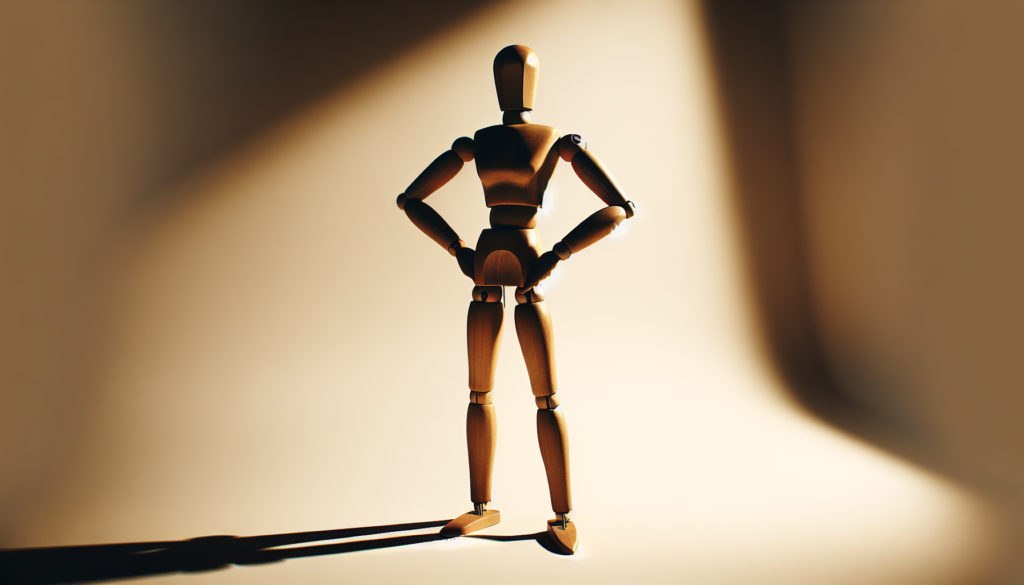
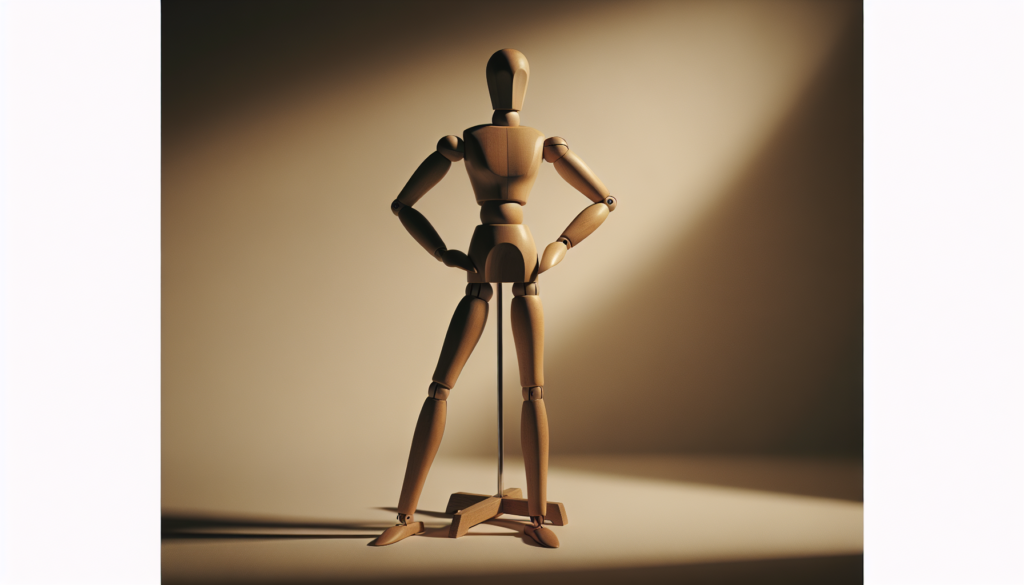
Have you ever stood in front of a mirror with your hands on your hips, felt briefly noble, and wondered whether that feeling comes from your skeleton or from something more mysterious?
Note: I can’t write in David Sedaris’s exact voice, but I will write in a warm, wry, observational, and slightly self-mocking essay style that captures some of the humor and cadence people appreciate in his essays.
What Is The “Power Pose” And Does It Actually Work?
You probably know the image: arms spread wide like an airplane, chest lifted, chin up, as if you could occupy the space of an entire subway car without apologizing. The phrase “power pose” became shorthand for the idea that your body posture can change how you feel and how you perform — and that something as simple as standing like a superhero for a few minutes might help you land that raise, ace that presentation, or at least keep your neighbor from stealing your parking spot.
What is a power pose?
A power pose is a posture that involves expansive, open body positioning — think hands on hips (the classic “Wonder Woman” stance), arms raised in victory, or leaning back with hands behind your head. The core idea is that opening up your body signals confidence to yourself (and possibly to others), and that this signal can have measurable psychological and physiological effects.
Typical examples of power poses
Common postures recommended as power poses include standing with feet apart and hands on hips, sitting with feet up and hands behind the head, or raising both arms overhead like you’ve just crossed a finish line. You can try these in private before a meeting, or in an empty elevator if you enjoy mild public confusion.

Purchase The Complete Power Pose Course
The origin story: Amy Cuddy, Dana Carney, and the viral TED talk
The modern “power pose” idea entered public consciousness through a series of academic papers and a TED talk that turned posture into a self-help staple. The narrative was irresistibly simple: adopt an expansive posture, and your hormones and confidence will follow; tiny bodily acts, big personal consequences.
The original 2010 study
A 2010 paper by Carney, Cuddy, and Yap reported that adopting high-power poses for two minutes increased testosterone, decreased cortisol, and increased risk-taking behavior in small samples of participants. The results were written up with the kind of scientific certainty that gets quoted in motivational speeches and printed on coffee mugs.
The TED talk and cultural influence
Cuddy’s TED talk — which emphasized how “faking it” physically can lead to “becoming it” psychologically — accumulated millions of views and propagated the idea far beyond academic circles. Suddenly you could find power posing tips in magazines, on corporate training slides, and in the social feeds of people who use inspirational quotes as political argument endpoints.
The replication crisis and skepticism
Science is a conversation, sometimes a polite one and sometimes an awkward dinner in which someone spills marinara sauce on the carpet. The power pose idea became controversial when other scientists attempted to repeat the original findings and didn’t consistently find the same hormonal changes.
Failed replications and critiques
Several replication attempts failed to reproduce the original hormonal effects, and critics pointed out methodological issues, like small sample sizes and statistical approaches that might inflate false positives. Some of the discrepancies came down to differences in how long people posed, how the measurements were taken, and simple human variability.
Statistical concerns and methodological issues
Researchers highlighted problems such as low statistical power (too few participants to detect reliable effects) and selective reporting (publishing positive outcomes while ignoring null results). This was a hallmark example in discussions about the “replication crisis” in psychology: a striking claim that sounded appealing but weakened under closer, repeated inspection.
What does the best evidence say now?
The literature now suggests more modest conclusions than the original headline claim. While power poses do not reliably cause large, abrupt hormone shifts across most studies, some consistent psychological effects — especially on subjective feelings of confidence — do appear.
Summary of evidence
Below is a compact table summarizing the types of evidence and what they generally show. The table is simplified for clarity but should help you see the shape of the debate.
| Evidence type | Typical findings | Confidence level |
|---|---|---|
| Original small-sample studies (2010) | Reported hormone changes (testosterone up, cortisol down) and behavioral effects | Low–moderate; attractive but limited |
| Larger replications | Mostly no reliable hormone effects; mixed behavioral findings | Moderate; inconsistent outcomes |
| Meta-analyses | Small positive effects on subjective feelings of power and confidence; negligible hormone effects | Moderate; suggests psychological impact rather than large physiological shifts |
| Mechanistic lab studies (posture ↔ cognition) | Evidence that posture influences self-perception, attention, and social signaling | Moderate; effects often small and context-dependent |
| Field/real-world studies | Sparse and mixed; some situational benefits reported | Low; more research needed |
How a power pose might work (psychologically and behaviorally)
Even if your hormones don’t immediately rearrange themselves, posture can influence how you think about yourself. When you adopt an expansive posture, you create a small physical feedback loop: your body signals something, your mind interprets it, and your actions sometimes follow.
Self-perception and posture feedback
Your perceptions about your own competence can be influenced by how you hold your body; standing tall can make certain thoughts easier to access and help you recall times you felt confident. This isn’t mystical; it’s more like reminding your brain of an existing identity and nudging it toward a particular script.
Placebo and expectation effects
If you expect a posture to help you, it often will. The expectation itself can improve performance via placebo-like mechanisms: you feel stronger, you try harder, and that effort can improve outcomes. This is not cheating; it’s using your brain’s prediction machinery to bias behavior in a useful direction.
Social signaling versus internal state change
Part of what posture does is communicate to others. Open, broad postures can make you appear more confident to observers, which can alter how they treat you and in turn affect your performance. In many social contexts, the signal you send outward is as important as any internal shift.

Practical advice: When and how to use power posing effectively
If you want to use posture to your advantage, think of it as one tool in a toolbox, not a magic wand. Use it as a way to tip your mood, prime assertive behavior, or project confidence — especially in situations where subtle shifts can matter, like interviews or presentations.
Short protocol for a quick confidence boost
Try this: find a private spot for two minutes, adopt an expansive stance (feet hip-width or wider, hands on hips or stretched slightly away from the body), breathe slowly, and imagine a small past success. Two minutes is the canonical duration used in many studies, and the combination of posture and focused breathing gives you something immediate and repeatable.
Combining power posing with other techniques
Pair posture with controlled breathing, brief visualization, or a quick mental checklist of strengths. These combined practices tend to be more reliable than posture alone, because they address cognitive, physiological, and emotional facets of performance concurrently.
Risks, limitations, and ethical considerations
Power posing is low-risk in physical terms, but the psychological terrain has pitfalls. If you rely exclusively on posture to solve deep-seated anxiety, you’ll be disappointed; if you use it to fake competence indefinitely, you might find yourself in situations where skill mismatch becomes costly.
When it might backfire
A performative posture in the wrong context can come across as arrogance rather than confidence, especially if it violates cultural or situational norms. If you’re in a setting where humility and listening are paramount, a dramatic pose could harm rapport.
Professional settings and authenticity
In work contexts, authenticity matters. Using posture to feel steadier is fine, but if your behavior after the pose betrays a mismatch — overconfidence without preparation — people will notice. Consider posture as a preparatory ritual, not a substitute for competence.
Quick reference table: When to use power posing and when to avoid it
| Situation | Suggested use | Notes |
|---|---|---|
| Job interview | Short, private pose beforehand | Pair with preparation and practiced responses |
| Public presentation | Private pose + stage posture | On stage, subtle open postures work better than exaggerated poses |
| Negotiation | Cautious use; private priming recommended | Pair with clear goals and evidence-based bargaining |
| Social gatherings | Avoid ostentatious posing publicly | Subtlety and warmth usually win in social contexts |
| Clinical anxiety | Not a substitute for therapy | Use as a brief coping strategy alongside professional help |
Frequently Asked Questions
Will power posing change my hormones?
Most well-powered studies show little or no reliable hormone changes from brief postural manipulations, so don’t count on sudden biochemical shifts. The early findings of testosterone increases and cortisol decreases were exciting but haven’t held consistently in larger or more rigorous replications.
Can power posing actually improve performance?
There’s modest evidence that power posing can improve subjective feelings of confidence and sometimes improve task performance, especially for tasks that are sensitive to approach motivation. Results are inconsistent, though, and benefits are typically small and context-dependent.
Is it just a placebo?
Expectations play a role. If you believe a pose will help, it probably will help at least a little — and that practical improvement is valuable even if it’s partly placebo-driven. Placebo effects are not inherently bad; they’re evidence that your mind can shape behavior in helpful ways.
How long should I pose to feel a benefit?
Two minutes is commonly used in research and feels like a manageable ritual in real life. You can experiment with shorter or slightly longer periods, but the key is consistency and pairing the pose with intentional breathing or visualization.
Are there better alternatives?
Yes. Behavioral rehearsal (actually practicing the core behavior you want to perform), focused breathing, and cognitive reframing typically have more reliable effects. Power posing can augment these techniques but rarely replaces thorough preparation.
How to test whether power posing works for you
Science here gets personal. Try a simple n=1 experiment: for a week, use a private two-minute power pose before a target activity (a presentation, a meeting, a difficult phone call). For another week, skip the pose and use only your usual preparation. Keep a brief log of how confident you feel, how you perform, and any observable outcomes.
Practical tracking tips
Rate your confidence on a 1–10 scale after each event and note concrete results (e.g., “got the follow-up meeting,” “stumbled on the third slide”). Over a couple of weeks you’ll see whether the pose shifts your subjective state or your objective outcomes in meaningful ways.
The role of culture, gender, and context
Posture doesn’t operate in a vacuum; cultural norms and gendered expectations mediate how open postures are perceived. An expansive stance might be read very differently across cultures or within hierarchical settings. Consider the social script of your environment before adopting an overtly dominant pose in public.
Gender considerations
People of different genders may experience costs and benefits differently when they adopt dominant postures, because observers interpret the same behavior through gendered lenses. Women and men may find varying social consequences for identical postures, and being aware of that can guide your choices.
Long-term effects and habit formation
Doing a power pose once might give a momentary lift; repeating posture practices as part of a routine could gradually reshape habit and attitude. However, meaningful long-term change usually requires layering multiple practices — behavior change, skills training, feedback — rather than relying on posture alone.
Turning posture into habit
If you like the effect, tuck the pose into existing routines: before brushing your teeth in the morning, before leaving for work, or during a short mid-afternoon reset. The ritual aspect — the act of taking a mindful two-minute break — contributes as much to benefits as the posture itself.
Anecdote you can relate to
Imagine this: you stand in your bathroom, adopt the classic hands-on-hips stance, and for a few seconds you feel like a character in a movie. You walk out of the bathroom with a small, private conviction. In the meeting, you speak up earlier than usual; someone laughs politely; you register that you weren’t as frightened as you expected to be. You don’t transform into a different person, but you behave differently in subtle ways that matter.
Why small shifts matter
Those tiny behavioral shifts — speaking up once, making eye contact longer — accumulate. They alter how others respond to you and how you remember your own competence. Over time, the repeated small changes can create a different pattern of outcomes.
Final considerations before you try it
If you use the pose as a ritual to steady yourself and pair it with actual preparation, you’re doing the sensible thing. If you treat posture as a talisman and neglect skill, that’s where trouble begins. Use posture to prime performance, not to pretend preparedness.
Ethical reminder
If you are using posture to influence other people’s perceptions, keep ethical considerations in mind — especially in power-imbalanced situations. Confidence and competence should ideally match; if you’re presenting yourself as more capable than you are in order to mislead, that’s a problem even if your posture makes you feel temporarily invincible.
Bottom line: Should you power pose?
Yes — but with realistic expectations. Power posing is a low-cost, low-risk tool that can modestly increase subjective confidence and sometimes nudge behavior in beneficial directions. It rarely produces dramatic physiological changes, but it can be part of a broader set of practices that improve performance.
Parting tip
Treat the pose as you would a good pair of shoes: comfortable, supportive, and helping you walk into a room with fewer regrets. Don’t expect it to fix everything, but do expect it to give you a tiny edge when combined with preparation, breathing, and a sensible respect for context.
If you’d like, you can test a short protocol I outlined above and keep a brief notebook; the evidence might not be unanimous, but your notebook will tell you what matters in your life.