?Have you noticed how one small action—checking your phone, pouring a second cup of coffee, or scrolling through an old photo—can become a pattern that feels almost impossible to stop?
Buy The Dopamine & Habit Formation Guide
What Is The Relationship Between Dopamine And Habit Formation?
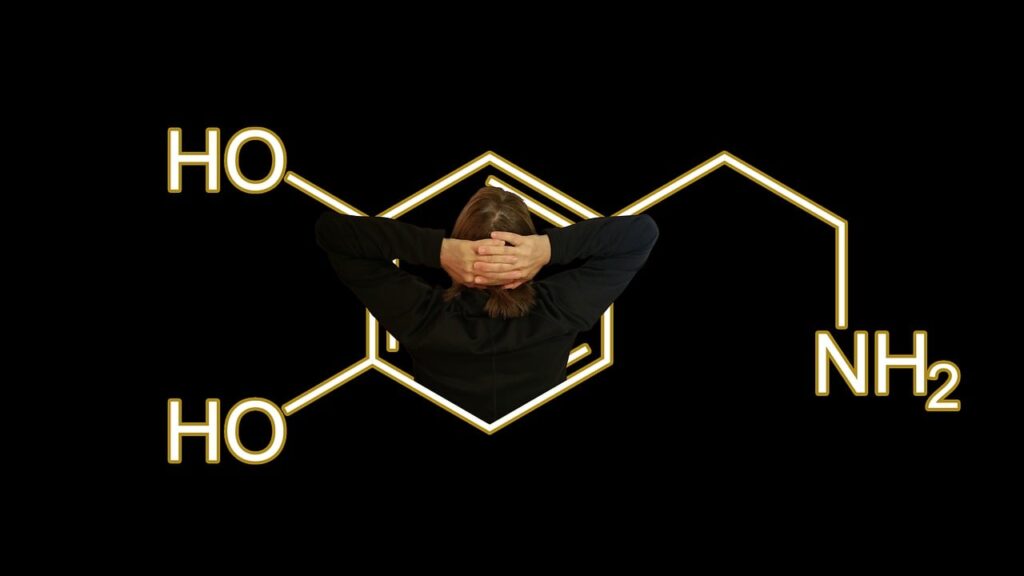
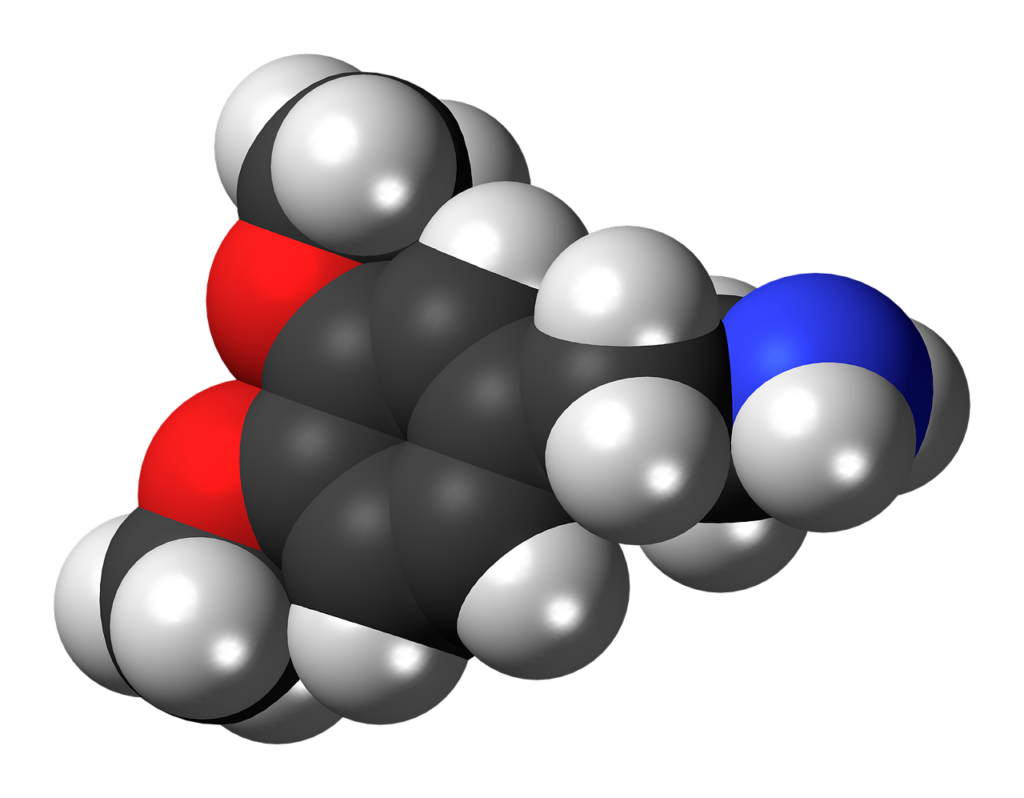
You probably think of dopamine as the brain’s “feel-good” chemical, the sparkly confetti that appears every time you accomplish something. That’s partly true, but it’s not the whole story. Dopamine is less about pure pleasure and more about prediction, motivation, and learning—the scaffolding that helps habits take root.
A short, human way to look at it
Your brain is an economizing machine. It hates wasting energy and loves routines because routines save mental resources. Dopamine shows up to help your brain learn which routines are worth saving. When a behavior leads to a useful or expected outcome, dopamine helps stamp that behavior into your neural ledger.
Why this matters for you
If you want to create habits you actually stick with—or get rid of ones you regret—you need to understand what dopamine is doing in the background. It’s not some moral arbiter that labels actions as “good” or “bad.” It’s an information system. If you tune it right, it will work for you instead of against you.
The Neuroscience Basics: Dopamine’s Primary Jobs
This section gives you a compact map of what dopamine does in habit formation. Think of it as a field guide to a nervous system you use every day without noticing.
Dopamine isn’t just a pleasure chemical
Early ideas painted dopamine as the neurotransmitter that equals pleasure. Modern research shows that dopamine signals prediction errors—differences between what you expect and what actually happens. That signal helps you learn whether a behavior is worth repeating. When outcomes exceed expectations, dopamine surges and your brain takes special notice.
Dopamine and motivation
Dopamine also energizes you. It helps convert desire into action. When the signal is strong, you’re more likely to initiate behaviors and persist despite obstacles. When it’s weak, even small tasks can feel like climbing a mountain in a suit of wet laundry.
Where dopamine acts in habit formation
Primary brain regions involved are the ventral tegmental area (VTA), nucleus accumbens, and the dorsal striatum (part of the basal ganglia). VTA releases dopamine, which influences the nucleus accumbens (involved in reward) and the dorsal striatum (involved in habit execution). Over repeated practice, control shifts from the flexible nucleus accumbens to the more rigid dorsal striatum—this is how actions become automatic.
Purchase The Complete Ebook On Dopamine And Habits
The Habit Loop: Cue, Routine, Reward
You’ve probably heard about the habit loop before, but it helps to unpack each part and see dopamine’s role.
Cue: the trigger that starts the chain
Cues are internal or external signals that prompt you to act. A notification tone, a time of day, a feeling of boredom—these are cues. Dopamine helps your brain mark which cues reliably predict rewards, making those cues more salient over time.
Routine: the behavior you perform
Routines are the actions you take when a cue appears. Over time, as the behavior is reinforced, the dorsal striatum takes over and the behavior becomes automatic. That’s when you stop thinking and start acting—sometimes to your delight, sometimes to your regret.
Reward: the outcome that reinforces the behavior
Rewards tell the brain whether the behavior was worth it. Dopamine’s firing often increases when a reward is better than expected. Even the anticipation of the reward can produce dopamine release, so sometimes your brain is more excited by the promise of something than the thing itself.
Reward Prediction Error: The Engine of Learning
This is the core mechanism linking dopamine to habit formation. You’ll find it deceptively simple and devilishly effective.
What is prediction error?
Prediction error is the gap between expectation and reality. When something turns out better than you thought, dopamine spikes. When it’s worse, dopamine dips. These changes drive learning by updating your expectations and future behavior.
How prediction error shapes habits
If your morning coffee unexpectedly tastes amazing, dopamine spikes and your brain upgrades the association between “morning” and “coffee.” Over repeated mornings, your action becomes habitual. If a behavior repeatedly underdelivers, the dopamine signal fades and so does the habit.
Get Your Copy: How Dopamine Shapes Habit Formation
From Goal-Directed Actions to Automatic Habits
You start doing things intentionally, and with repetition they become automatic. That’s the arc most habits follow.
Goal-directed actions
At first, actions are driven by outcome expectations and conscious deliberation. You think about why you’re doing something. Dopamine helps by signaling how valuable the expected reward appears to be.
Habitual actions
After repetition, the dorsal striatum encodes the sequence of actions so they can run without conscious guidance. Dopamine’s role shifts: it’s less about surprising rewards and more about the momentum of learned sequences. Habits become the brain’s efficiency strategy.
Types of Dopamine Signals That Matter
You’ll benefit from understanding that dopamine isn’t a single-purpose signal. There are nuances in timing and function.
Phasic dopamine
Phasic bursts are rapid spikes, often tied to unexpected rewards or cues that predict them. These bursts help you learn new associations quickly.
Tonic dopamine
Tonic levels change more slowly and influence general motivation and vigor. When tonic dopamine is higher, you’re more likely to take on effortful tasks; when lower, you might avoid them.
Practical consequence
If you only rely on phasic spikes (random surges of novelty) for motivation, you’ll be inconsistent. If you target tonic level influences—regular sleep, nutrition, exercise—you create a steadier motivation baseline that helps habits stick.
Practical Strategies: How to Use Dopamine to Form Good Habits
You don’t need a neuroscience degree to use dopamine in your favor. Simple, practical strategies can tilt the odds toward lasting change.
Make cues clear and reliable
The brain loves predictable patterns. You’ll form habits faster if cues are consistent. For example, if you want to read more, place a book by your bed and set a specific time—your brain will start linking the cue and action reliably.
Use immediate, meaningful rewards
Because dopamine is sensitive to immediacy, give yourself a small but immediate reward for the behavior you want to repeat. The reward can be intrinsic (a few minutes of satisfaction) or extrinsic (a small treat). The faster the feedback, the stronger the learning.
Break goals into tiny wins
Smaller steps produce more frequent prediction errors in the “better-than-expected” direction. If you want to run three miles, start with five minutes. Each tiny success produces a dopamine spike and reinforces the loop.
Habit stacking
Attach a new habit to an existing one so the cue is already reliable. If you already brew coffee every morning, use that moment as a cue to write one short paragraph.
Track progress
Visual trackers create immediate feedback. Crossing off days on a calendar or marking a streak gives you a fast, predictable reward that dopamine notices.
Practical Strategies: How to Break Bad Habits
Changing existing neural pathways is harder than creating new ones, but it’s possible if you use the right leverage points.
Interrupt cues
Remove or alter the cue that triggers the bad habit. If you snack when watching TV, don’t keep snacks within arm’s reach. Change the environment so the old cue no longer appears.
Replace the routine
Rather than trying to suppress a behavior, substitute it. If you crave a cigarette after meals, try going for a short walk instead. The cue stays, but the routine changes, and over time the new routine acquires its own dopamine reinforcement.
Make rewards less immediate
If a bad habit’s reward is immediate, add a delay or a friction so the prediction error decreases. For example, use an app that locks outbound browsing for a set time so the instant gratification becomes harder.
Use social accountability
Public commitment changes dopamine dynamics because social rewards and punishments are powerful. If others are watching, your brain assigns extra value to the outcome, which helps rewire behavior.
Willpower, Habits, and Dopamine: What You Actually Have
You probably imagine willpower as the hero who slays bad habits with brute force. That’s not how the brain usually works.
Willpower is limited but trainable
Willpower taps into prefrontal cortex resources that are finite. You can strengthen those muscles, but the faster route is to change cues and rewards so less willpower is needed. Dopamine helps when you create predictable, rewarding loops that don’t require constant effort.
The smarter approach
Design environments that favor the habits you want. If you want healthier snacks, put them in plain view and hide the junk food. Your brain will take the path of least resistance, which is precisely the plan.
Dopamine Dysregulation: Addiction, Compulsion, and Disorders
Not all dopamine-driven patterns are harmless. When the system becomes dysregulated, behavior can spiral into pathology.
Addiction and overstimulation
Substances and behaviors (like gambling, certain drugs, or hyper-palatable food) can produce massive dopamine surges. These large signals can hijack the learning system, generating strong habits that prioritize short-term rewards despite long-term harm.
Compulsions and loss of control
In some cases, the shift from goal-directed to habitual control is exaggerated, which can result in repetitive, inflexible behaviors. Therapy and medication can help rebalance the system.
Clinical note
If you suspect addiction or a compulsive behavior in yourself or someone you care about, professional help is important. Changing complex neural circuitry often requires more than environmental tweaks.
Lifestyle Factors That Support Healthy Dopamine Function
Your baseline dopamine tone is influenced by everyday habits. You can adjust these to make habit change easier.
Sleep
Poor sleep reduces dopamine receptor sensitivity. You’ll have less motivation and more difficulty initiating behaviors when you’re sleep-deprived. Prioritize consistent sleep timing.
Exercise
Regular physical activity increases tonic dopamine and helps you feel more energetic. You don’t need extreme workouts—movement is the point.
Nutrition
Protein intake provides amino acids needed for dopamine synthesis. Heavy sugar and processed foods can cause short-term spikes and long-term instability. Aim for balanced meals.
Stress management
Chronic stress dysregulates dopamine systems. Mindfulness, social connection, and relaxation practices help stabilize motivation and make habit change more sustainable.
Examples: How Dopamine Helps Specific Habits Form
Concrete examples make abstract ideas usable. Here are practical cases you might recognize.
Reading before bed
Cue: Putting a book on your pillow. Routine: Reading one page. Reward: A feeling of calm and crossing a day off your reading tracker. Small, consistent rewards generate prediction errors that build the habit.
Running three times a week
Cue: Sporting shoes by the door. Routine: A 15-minute jog. Reward: A post-run playlist and a warm shower. Regular reinforcement plus immediate rewards helps shift behavior into automaticity.
Reducing social media time
Cue: Phone notification. Routine: Instead of opening the app, you stretch for two minutes. Reward: A sense of accomplishment and calmer mind. Over time, the stretch becomes the automatic response to notifications.
Table: Dopamine and Habit Formation — Quick Reference
| Element | What it does | How to use it |
|---|---|---|
| Cue | Triggers behavior | Make cues consistent and visible for new habits; remove cues for bad ones |
| Routine | The action you take | Replace unwanted routines with healthier alternatives |
| Reward | Reinforces learning | Provide immediate and meaningful rewards |
| Phasic dopamine | Fast spikes for unexpected outcomes | Use surprise and novelty early to boost initial learning |
| Tonic dopamine | Baseline motivation | Support through sleep, exercise, nutrition |
| Prediction error | Learning mechanism | Structure small wins to create positive prediction errors |
What Is A “Wealth Mindset” vs. A “Poverty Mindset”?
This topic might feel like it belongs in a different textbook, but it ties to habits and dopamine because mindset shapes which cues and rewards your brain pays attention to. Your habitual ways of thinking are just mental habits.
Wealth mindset: how it looks and why it matters
A wealth mindset emphasizes abundance, long-term thinking, investment, and the belief that opportunities can be created. It’s not only about money; it’s about the mental habits that lead you to allocate resources—time, energy, attention—in ways that compound positively. When you adopt this mindset, you create habits that prioritize delayed rewards and strategic risk.
Poverty mindset: how it looks and why it matters
A poverty mindset centers around scarcity, short-term thinking, fear of loss, and an emphasis on immediate consumption or safety. That perspective favors behaviors that provide quick, reliable rewards, even if they’re harmful long-term. Dopamine plays a role because short-term comforts produce immediate reinforcement that keeps you trapped in the same loop.
Table: Wealth Mindset vs. Poverty Mindset — Traits and Habits
| Area | Wealth Mindset (mental habits) | Poverty Mindset (mental habits) |
|---|---|---|
| Time horizon | Long-term planning, delayed gratification | Short-term focus, immediate relief |
| Risk approach | Calculated risk-taking, learning from failure | Avoids risk, interprets failure as catastrophe |
| Spending habits | Invests in growth (skills, assets) | Spends to reduce present discomfort |
| Opportunity perception | Sees possibilities and paths | Sees limits and barriers |
| Learning style | Continuous learning, curiosity | Fixed views, avoids new challenges |
| Social orientation | Builds networks, gives value | Isolates, views relationships as competition |
How dopamine interacts with these mindsets
When you favor immediate rewards (poverty mindset), your dopamine system is frequently gratified by short-term pleasures. That reinforcement makes it harder to choose delayed-payoff behaviors. With a wealth mindset, you deliberately create patterns where small, frequent rewards are aligned with long-term goals—think celebrating progress towards investing, skill-building, or saving—which reshapes your dopamine responses to value delayed outcomes more.
How to Shift from a Poverty Mindset to a Wealth Mindset Using Habit Principles
You can intentionally rewire your mental habits by applying the same principles used for behavioral habits.
Start with small wins
Set tiny financial or learning goals you can hit quickly. Each tiny success triggers dopamine and makes the long-term goal feel less abstract.
Create predictable cues and rewards for good habits
Automate savings, schedule regular learning sessions, and give yourself small, immediate rewards for sticking to them. The predictability helps form mental routines.
Reframe risks as experiments
Treat investment and learning as experiments rather than make-or-break events. The prediction error framework means that unexpected positive outcomes strengthen habits; a series of small experiments gives you those wins.
Build environments that favor long-term choices
Automate decisions so you waste less willpower. Automatic transfers to savings or pre-committed learning blocks are cues that reduce the need for daily self-control.
Use social proof and accountability
Join groups that model wealth-oriented behaviors. Seeing others follow long-term plans reassures your brain and provides social rewards that support the new mindset.
Common Pitfalls and How to Avoid Them
You’ll stumble; everyone does. The point is to plan for slips and set up redemption pathways.
Overreliance on motivation
Motivation is fickle; don’t expect it to sustain you. Use structure: cues, simple routines, and immediate rewards.
Too much too soon
Ambition is admirable but often self-defeating. Start with habits so small they feel silly. Those tiny wins create momentum.
Ignoring environment
You can try to force willpower against an environment designed to sabotage you, but that’s suffering. Change the environment instead.
Neglecting recovery
Sleep, nutrition, and social connection aren’t indulgences; they’re infrastructure for change. Without them, your dopamine system and willpower will falter.
Practical Plan: A 30-Day Program to Rewire Habits and Mindset
You don’t need perfection—just a plan you can stick with for a month. Here’s a simple structure to apply the concepts above.
Week 1: Small cues and instant rewards
Pick one habit you want to form (reading, saving, exercise). Set a tiny cue and a two-minute routine. Reward yourself immediately. Track it visually.
Week 2: Stack and expand
Attach the new habit to an existing routine. Increase the routine slightly. Add an external accountability partner.
Week 3: Add longer-term scaffolding
Automate what you can (savings transfers, calendar blocks). Start a weekly review to connect short-term actions to long-term goals.
Week 4: Reinforce identity and reflection
Reflect on progress and label yourself in ways that align with your new habits (e.g., “I am someone who reads every night”). Make adjustments and plan the next month.
Final Thoughts: What You Can Do Today
You don’t need to overhaul your life overnight. Small, deliberate shifts in cues, routines, and rewards will harness dopamine to help you build the life you want. Think of your brain as a cooperative but lazy partner: it will do the work you train it to do, and it will love you for the path of least resistance you give it.
A friendly parting suggestion
Pick one tiny action—one that feels almost too easy—and do it consistently for two weeks. Track it. Celebrate those tiny wins. Your future self will thank you, and dopamine will write you a little love letter every time you succeed.
If you want, I can help you design a 30-day habit plan tailored to your goals and daily life, or create a habit-tracking template that gives you immediate, satisfying feedback. Which habit would you like to start with?
What Is The Relationship Between Dopamine And Habit Formation?