
Can you really text, cook pasta, answer an email, and pretend you didn’t just burn the garlic all at once?

Is Multitasking A Myth Or A Skill?
You probably like to think of yourself as competent chaos: a person who can hold a toddler, finish a spreadsheet, and produce a dinner that isn’t just breadcrumbs and charred regret. The question—whether what you call multitasking is a genuine cognitive superpower or a polite fiction you tell yourself after missing a deadline—hangs over your life like a phone buzzing insistently in another room.
What people usually mean by “multitasking”
When you say you multitask, you usually mean one of three things: doing several low-effort things at once (you hum while you file), switching quickly between tasks (you answer an email, then a call, then return to the email), or literally performing two high-demand tasks simultaneously (you read a report while conducting a video meeting and expect to absorb both). The differences matter because your brain treats each scenario differently.
Why this question matters to you
You live in an era where productivity apps promise that if you only stack your tasks one more way, you will finally have time to read those novels that look guilty every time you pass them on a shelf. If multitasking is a myth, you might be wasting hours and stressing yourself for no gain. If it is a skill, you want to learn how to do it right, without setting anything on fire.
The basic science: what your brain is actually doing
Here’s where things get both reassuring and disquieting, depending on how you like to view yourself.
Attention is limited
Your attention operates like a faucet with a limited flow. You can split that stream in simple ways—listening to music while folding laundry, for example—but when two tasks demand focused, controlled processing, the faucet sputters. You don’t do them simultaneously as much as oscillate between them.
Task-switching costs
Every time you flip from writing a proposal to checking a message, your brain has to stop one cognitive operation and start another. That stopping-and-starting has measurable costs: extra time, more errors, and the little mental hangover you call fuzziness. If you’re the kind of person who brags about answering fifteen emails while on a call, you’re probably paying for it in subtle losses.
Automatic processes vs controlled processes
Tasks that are automatic—driving a familiar route, stirring soup, folding socks—require less of that precious attentional juice. Controlled processes—planning, analyzing, composing—need a lot more. Combining two automatic tasks is generally fine. Combining an automatic task with a controlled one is sometimes OK. Combining two controlled tasks is where you will either disappoint yourself or discover hidden reserves you didn’t know you had.
Purchase The Multitasking EBook
Types of multitasking: a simple table
This table will help you understand what you’re doing when you say, “multitasking.”
| Type | Example | Cognitive load | Likelihood of success |
|---|---|---|---|
| Parallel automatic | Walking and chewing gum | Low | High |
| Automatic + controlled | Listening to a podcast while folding clothes | Moderate | Moderate |
| Rapid task-switching | Checking messages while drafting a report | High | Low to moderate |
| Dual controlled | Participating in a debate while solving math problems | Very high | Low |
How to read this table
If two tasks both live in the “controlled” column, expect trouble. If one task is automatic, you can sometimes get away with pairing it with a controlled task, but not without a cost. Your bragging rights should be proportional to the evidence.
Is multitasking a myth?
If by “multitasking” you mean flawlessly performing two attention-demanding tasks at once, the answer is probably yes: it’s largely a myth. You don’t have the neural hardware to do two heavy-lifting cognitive operations simultaneously. Instead, you alternate rapidly between tasks, which creates inefficiencies.
Why the myth persists
You and others inflate the idea because modern life celebrates doing more. People want to be seen as efficient, and multitasking looks efficient even when it isn’t. There’s also the human tendency to remember the times you succeeded and forget the times you didn’t. If you managed to talk on the phone while unscrambling the nutritional content of a cereal box and nothing exploded, it becomes evidence. Sadly, the times you ruined the presentation, missed a punchline, or spilled orange juice all fade into the background.
Research findings in plain language
Studies using tasks that require focused attention show you perform worse when trying to handle two such tasks. Your speed drops and your error rate rises. Neuroimaging shows overlapping brain regions light up, meaning resources are shared and strained. This isn’t some elitist scientist conspiracy; it’s your prefrontal cortex tapping out and demanding a coffee break.

Is multitasking a skill?
Now for the other side of the coin: some forms of multitasking are learnable and can improve with practice. You can become better at coordinating actions, recognizing when to switch, and choosing tasks that pair well together.
When multitasking is trainable
If you practise a pairing of tasks frequently enough—like a bartender learning to mix two drinks while chatting—you develop routines and muscle memory. Tasks that once demanded conscious control become partially automatic. That reduces your cognitive load and makes “multitasking” more feasible.
What training can’t change
Training won’t turn two complex cognitive tasks into one effortless act. It can only shift one or both tasks toward automaticity or help you become faster at switching between them. The brain’s architecture still doesn’t support two heavy processes running in perfect parallel without costs.
Anecdotes you can relate to (and possibly laugh at)
Imagine you. You are juggling. You are on a conference call while trying to salvage a pan of overcooked vegetables. You nod solemnly as a colleague outlines budget constraints, and you put your face very close to the computer camera because it’s easier to see when you squint. The camera shows your hand frantically flicking at a stubborn char on the pan. You think you’re heroic. Your colleague thinks you’re making a very compelling argument about your devotion to sustainable food. The budget is discussed; the vegetables are not saved.
These stories are not simply judgmental gossip. They reveal the human cost—the tiny humiliations and small misfires—that come from trusting your multitasking persona too much. You will laugh because it is true, and you will perhaps wonder whether the charred vegetable symbolized a deeper inability to be in one place at a time.

Practical consequences at work and home
You should weigh the trade-offs of multitasking against the goals you are trying to achieve. It matters whether your priority is speed, creativity, accuracy, or a warm relationship with coworkers who notice the charred garlic.
Productivity and accuracy
When tasks demand deep work—complex writing, problem-solving, creative synthesis—switching costs reduce both speed and quality. Your output will suffer in ways you might not notice until someone points out a glaring inconsistency.
Safety and social consequences
Operating machinery, driving, or performing tasks that require constant attention while you’re distracted can be dangerous. Socially, if you constantly check your phone during dinner or meetings, you erode trust and presence.
How to tell whether you should multitask
You can make a quick appraisal before you start.
A short decision checklist
- Is at least one task automatic? If yes, proceed cautiously.
- Are both tasks time-sensitive? If yes, reconsider.
- Does either task require creative thinking or complex judgment? If yes, don’t multitask.
- Is safety involved (driving, operating machinery)? If yes, don’t even think about it.
If you answered “no” to most of the risky items, you can combine tasks. If not, give yourself permission to focus on one thing.
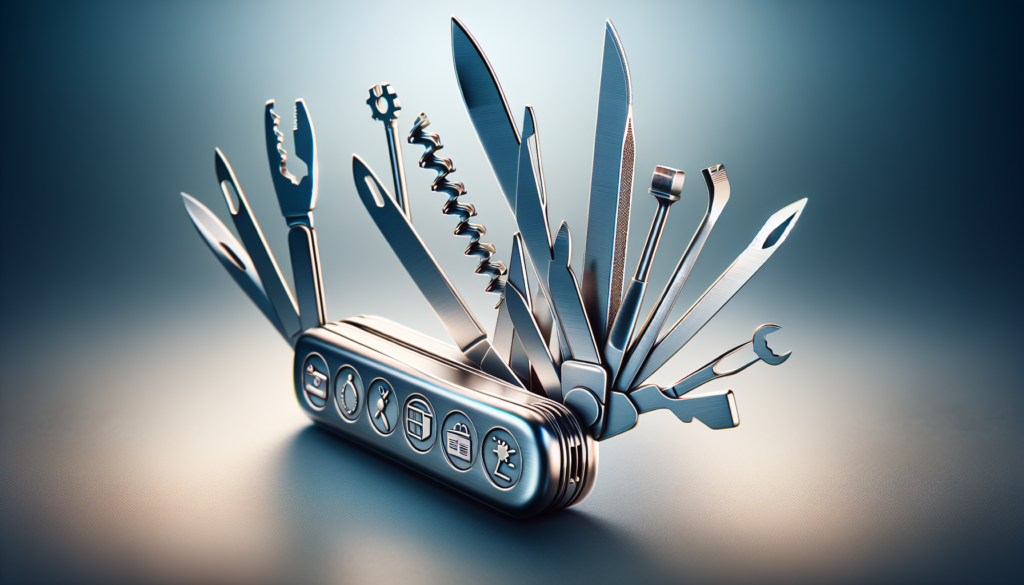
Common myths and the real picture
People love lists that confirm their biases. Here are a few myths you might have believed about multitasking, and some corrective notes.
Myth: Some people are natural multitaskers
Reality: You may be faster at switching and better at automating certain tasks, but nobody can perform two equal-control tasks perfectly at the same time. You can practice to reduce the penalties, but you don’t become a different species.
Myth: Multitasking makes you more productive
Reality: For certain combinations (automatic + automatic), yes. For demanding cognitive work, no. More often, you become scattered and end up spending time undoing mistakes.
Myth: Doing many things gives you an adrenaline-driven high that increases focus
Reality: The adrenaline is real, and it can make you feel alive. But it’s a band-aid. Over time it increases stress and reduces your ability to focus deeply.
Types of tasks that pair well and those that don’t
Here’s a table to make choosing easier.
| Good pairing | Why it works | Poor pairing | Why it fails |
|---|---|---|---|
| Folding laundry + listening to an audiobook | Laundry is automatic; audiobook is passive listening | Drafting a report + answering messages | Both require focused reasoning and produce errors |
| Walking + talking on the phone | Walking is automated; talking uses conversational focus | Editing code + attending a webinar | Both demand sustained attention and problem solving |
| Cooking simple meals + chatting with family | Routine steps allow conversation | Driving in heavy traffic + composing emails | Driving requires full situational awareness |
Use the table as your friendly guardrail
When you see a pairing in the “Poor pairing” column, you can save yourself frustration. The “Good pairing” column allows small pleasures—audible entertainment, light conversation—without ruining the heavy work.
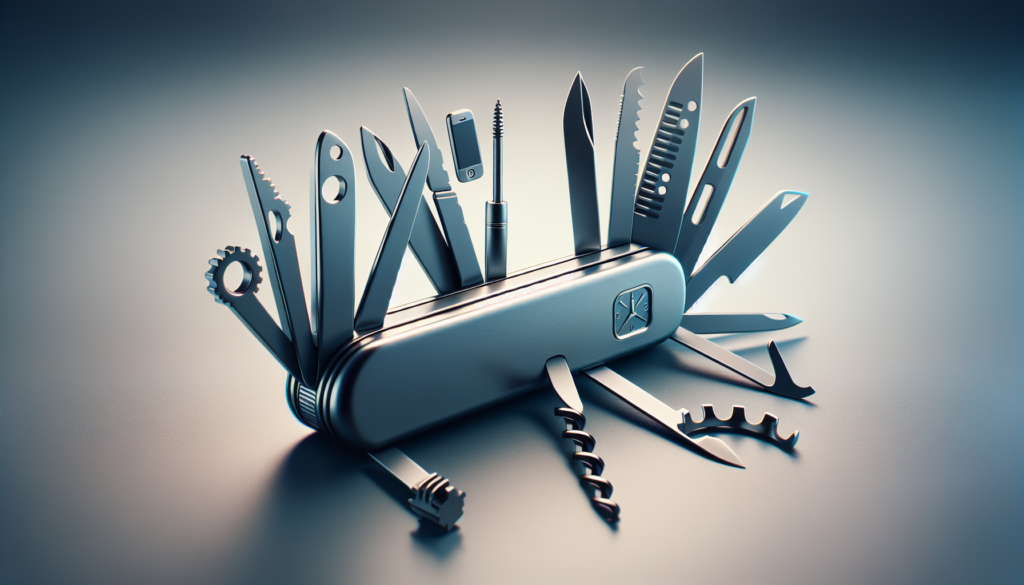
Digital multitasking and tools: are apps the answer?
You may have an app that promises to let you “focus while multitasking.” Most technology helps one of two ways: it either reduces interruptions or it automates parts of your workflow.
Notifications and interruptions
You experience a notification and your brain goes, “Ooh, shiny,” and then spends several minutes trying to reconstruct the thought it had before. Turning off nonessential notifications and curating what breaks your focus will help more than any side-loaded time-management checklist.
Automation and templates
Using templates, macros, and automation reduces cognitive load. If you can set up sequences that handle routine tasks, those tasks become automatic and open space for real work.
Training yourself to be better at multitasking (within limits)
If you still want to become more competent at juggling, here are evidence-informed strategies you can practise.
Habitualization
Practice a specific pairing often until one or both tasks become automatic. A barista doesn’t think about tamping and steaming; they do it without full cognitive oversight because it’s been practiced into smoothness.
Strategically time-boxing
Segment your work into focused blocks (say, 25–50 minutes) where you allocate full attention. Between blocks, allow a short period for low-value multitasking like messages or quick admin. This reduces the cost of frequent switching.
Mindful switching
If you must switch, do it mindfully. Close files, note where you left off, and give yourself a short breathing pause before starting the next task. This reduces the friction and improves recovery.
Physical environment
Your environment either conspires with you or against you. Reduce clutter, use headphones if you need to block noise, and set your phone out of reach for intense work. You aren’t being dramatic; you’re protecting your cognitive budget.
Measuring your personal multitasking costs
You can test yourself in low-stakes scenarios.
A simple self-test
Time how long it takes to complete a single writing task. Then time how long it takes to complete the same writing task while handling intermittent notifications. Compare speed and error rate. Most people are surprised how much time they lose to interruptions.
Track subjective fatigue
Note how tired you feel after an hour of focused work versus an hour of switching between tasks. Your body gives signals—fatigue, headaches, shallow breathing—that indicate cognitive strain even when you can’t see the lost minutes on a timesheet.
Organizational culture: when multitasking is rewarded and when it’s punished
Your workplace might treat multitasking as a badge of honor. Alternatively, it might value deep work. Understanding the signals from your organization helps you decide whether to prioritize visible busyness or measured productivity.
When you should signal multitasking
If the culture values multitasking (meetings full of devices and chatter), you may need to adapt outwardly for relationships while protecting time for deep work privately. You can manage both by establishing times where you are fully present and times you are accessible.
When you should choose focus
If quality and creativity are rewarded, you can make a gentle case for focused time. Show examples of improved outcomes when you weren’t answering Slack. People understand results; you’ll make a stronger argument with clear comparisons.
The emotional side: guilt, pride, and the illusion of control
Multitasking isn’t just cognitive; it’s emotional. You feel proud when you pull off three things at once. You also feel guilty when the kids say you missed their story because you were “on your laptop.”
Managing the emotions
Admit to yourself that being present matters. You can be proud of efficient routines without pretending to be omnipotent. Cultivate habits that allow you to be fully present in moments that matter—dinner, conversations, performances—and reserve multitasking for moments that aren’t sacred.
Practical rules you can adopt today
Here are simple heuristics to structure your day so you use multitasking when it helps and avoid it when it hurts.
A set of rules
- Rule 1: No dual controlled tasks. If both tasks require concentration, do them sequentially.
- Rule 2: Use automation to make tasks automatic where possible.
- Rule 3: Time-box for focus and schedule a short admin period between time boxes.
- Rule 4: Turn off nonessential notifications during focused work.
- Rule 5: Practice mindful switching—close the book before you pick up the phone.
These aren’t commandments; they’re friendly nudges that help you avoid friction and preserve dignity.
When you should intentionally multitask
There are precise moments where pairing tasks is not only acceptable but pleasant.
Examples of wise multitasking
- Commuting on public transit + listening to an audiobook: your attention demand is low, and you get pleasure and learning without cost.
- Doing household chores + listening to language lessons: the chores are automatic, the language practice is incremental.
- Exercising on a treadmill + watching a recorded lecture: your body does the exercise automatically while your mind engages with content.
When to avoid multitasking
- During important creative work or problem-solving
- When driving or operating heavy machinery
- During meaningful conversations where presence matters
The future: will technology change the rules?
You may think that future brain-computer interfaces will allow true multitasking. That remains speculative. For now, the bottleneck is cognitive architecture—not just technology. Tools can reduce interruptions and automate routine tasks, but they won’t replace the need for focused attention on complex tasks.
What to expect
Expect better tools to manage interruptions and more sophisticated automation that reduces the need for human multitasking. But don’t expect gadgets to make your brain less human. You will still be you: slightly distracted, occasionally heroic, usually trying.
Final thoughts: a friendly synthesis
You are not a superhero for switching between tasks; you are either cleverly creating space for yourself or quietly burning it. Multitasking exists in forms that are both myths and skills. It’s a myth when you claim to simultaneously do two demanding cognitive tasks without cost. It’s a skill when you train specific pairings until one becomes automatic, or when you learn to switch more effectively and protect blocks of focused time.
You will find yourself claiming to be a multitasker because culture rewards busyness and because it feels good to be necessary. But you also have an opportunity: to be strategic, to protect your attention, and to be present in moments that deserve it. You can happily fold laundry while listening to a novel and still be the person who writes brilliant reports—if you allow yourself the grace to do the right thing at the right time.
Quick action plan you can use tomorrow
- Identify one task you do that’s automatic and one that’s controlled. Try pairing them this week and note the results.
- Turn off notifications for nonessential apps during two focused time blocks each day.
- Use a simple time-box: 45 minutes focused work, 10 minutes for admin.
- Practice closing down a task mindfully for 30 seconds before switching to another.
If you follow these, you may not become a mythical multitasking god. But you will probably produce better work, feel less scattered, and avoid setting the garlic on fire.
Closing anecdote
Think of the last time you tried to be impressively multitasking. Maybe you were making dinner and trying to help with homework while also checking that your laundry hadn’t become a science project. You may have succeeded at two things and failed at one. That failure, even small, is instructive. It tells you where your attention is most valuable.
You’ll probably still multitask sometimes—life insists. But next time, you might choose your battles a little more wisely, and you might laugh at yourself a little harder when you discover the charred garlic of your ambition.